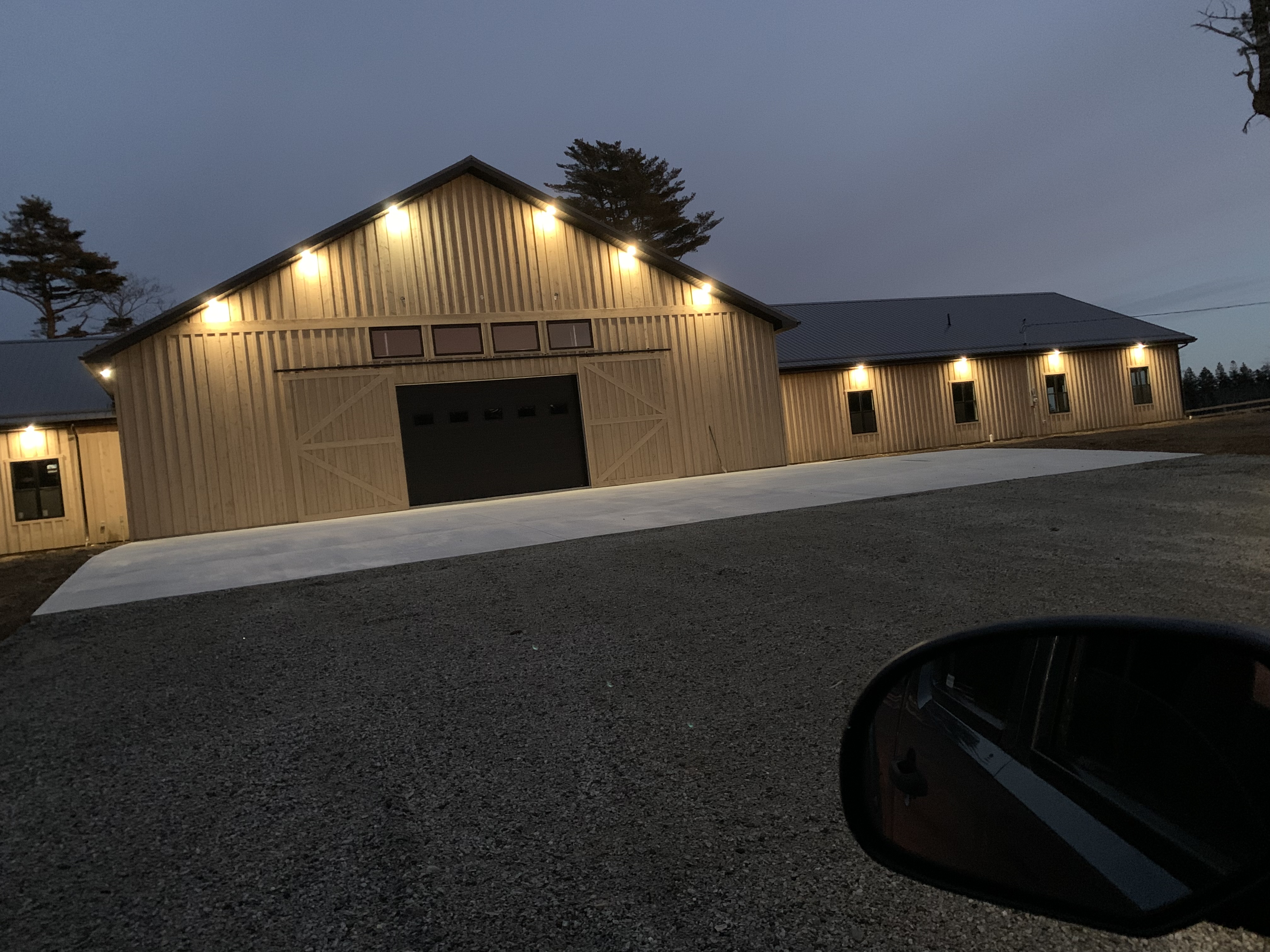
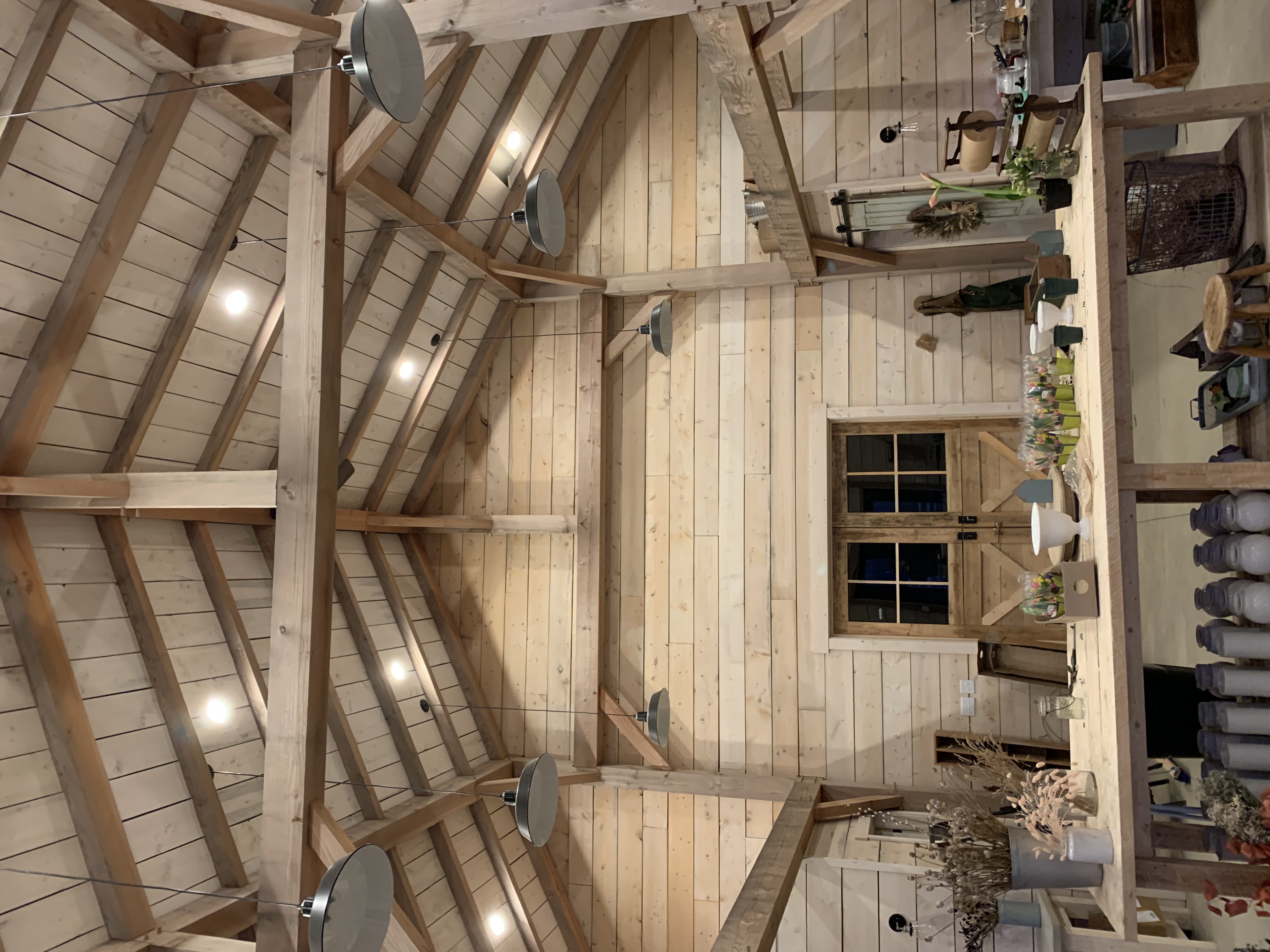
Electrical work follows proven codes and standards for a reason — they’re what make systems safe, reliable, and consistent. We don’t try to do things differently. We do them right. From planning through to final install, we carry those standards all the way through, so the result isn’t just something that passes inspection, but work that’s built the way it’s supposed to be and performs the way it should over the long term.
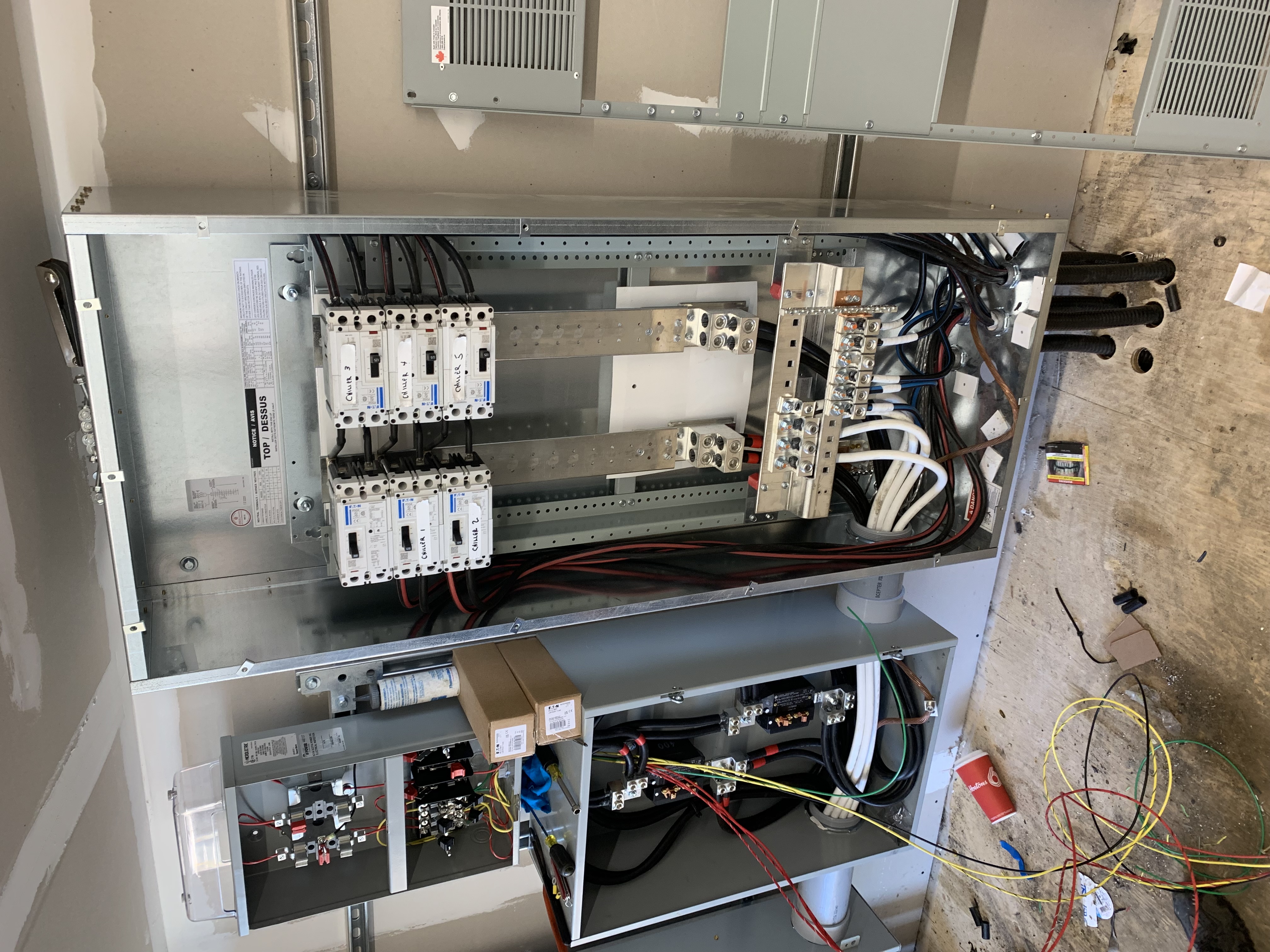
Whether it’s a planned project, an upgrade, or a system that needs to be fixed, the work is approached the same way — understand what’s there, apply the right solution, and carry it through properly.
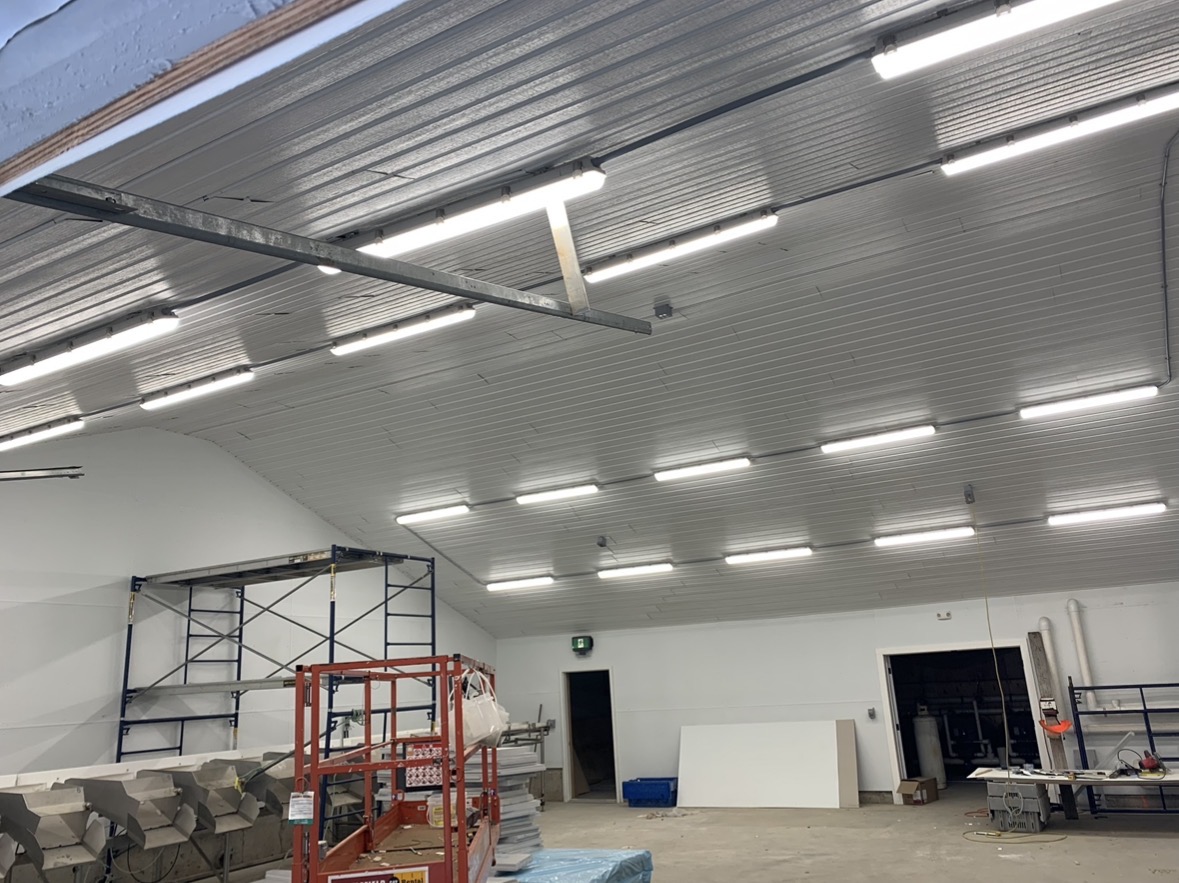
Electrical work across buildings and facilities can range from full project installs to upgrades and changes within existing systems.
In many cases, the work starts with what’s already in place and moves forward from there — expanding capacity, improving reliability, or adapting systems to new requirements.
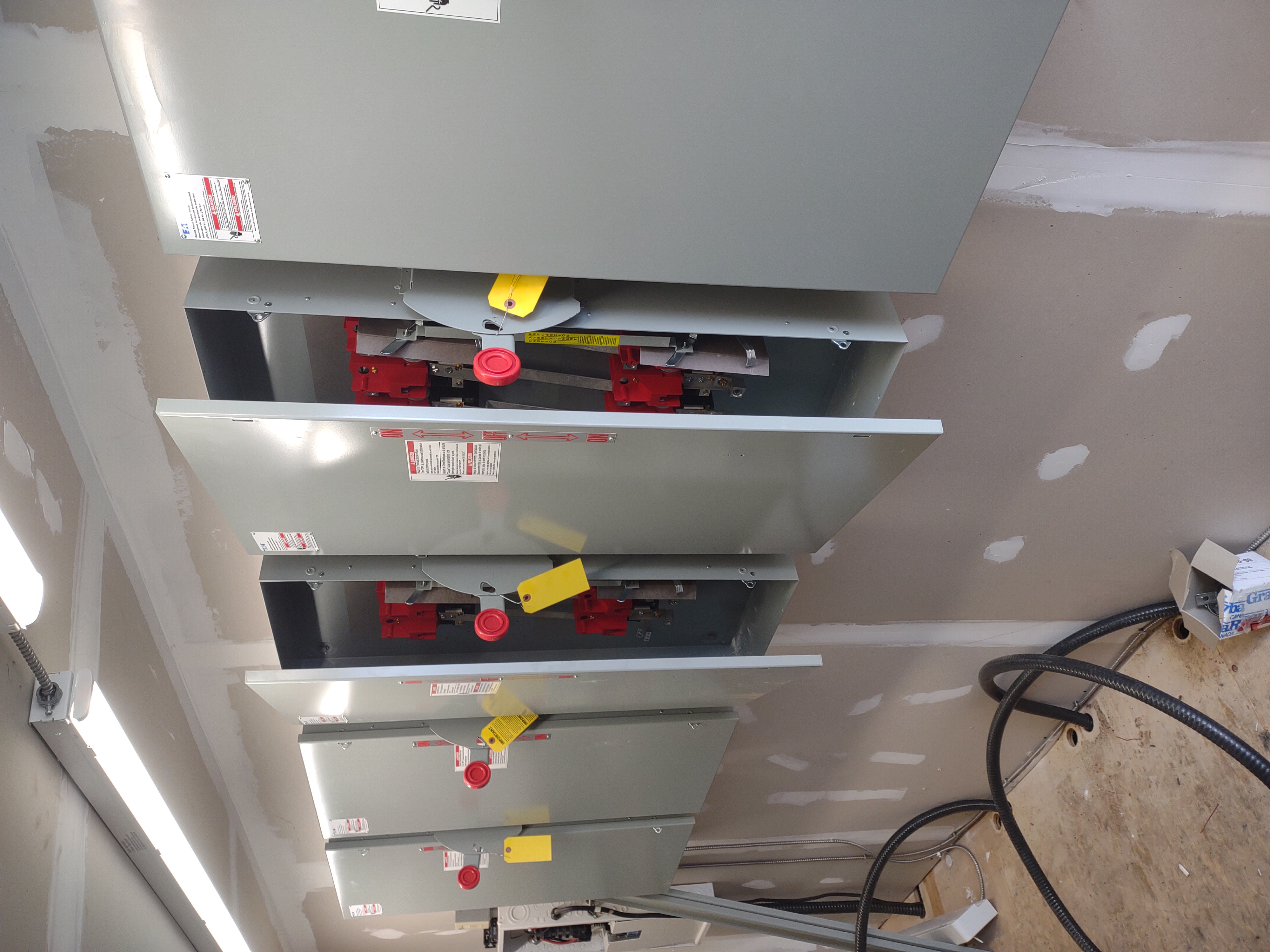
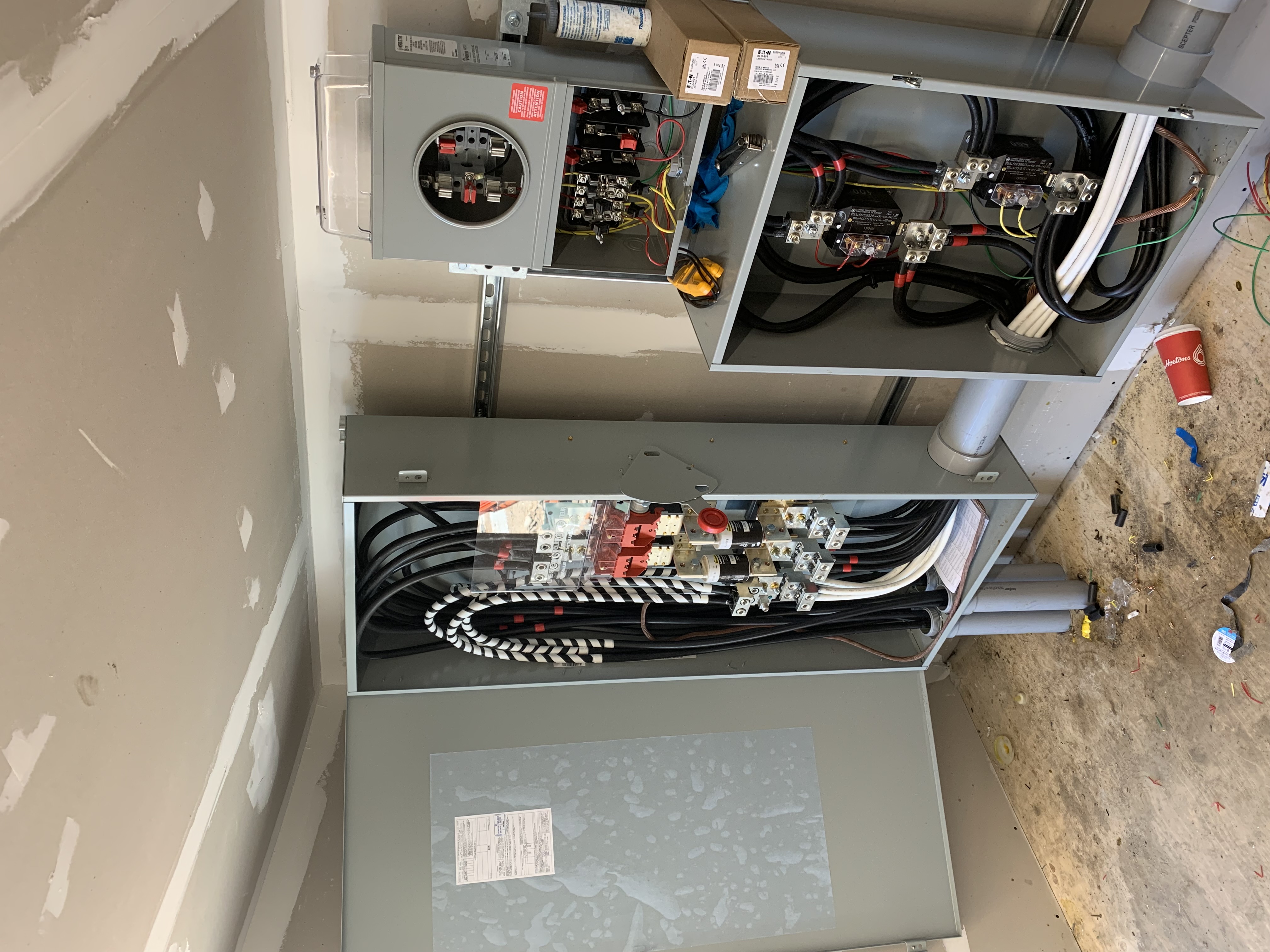
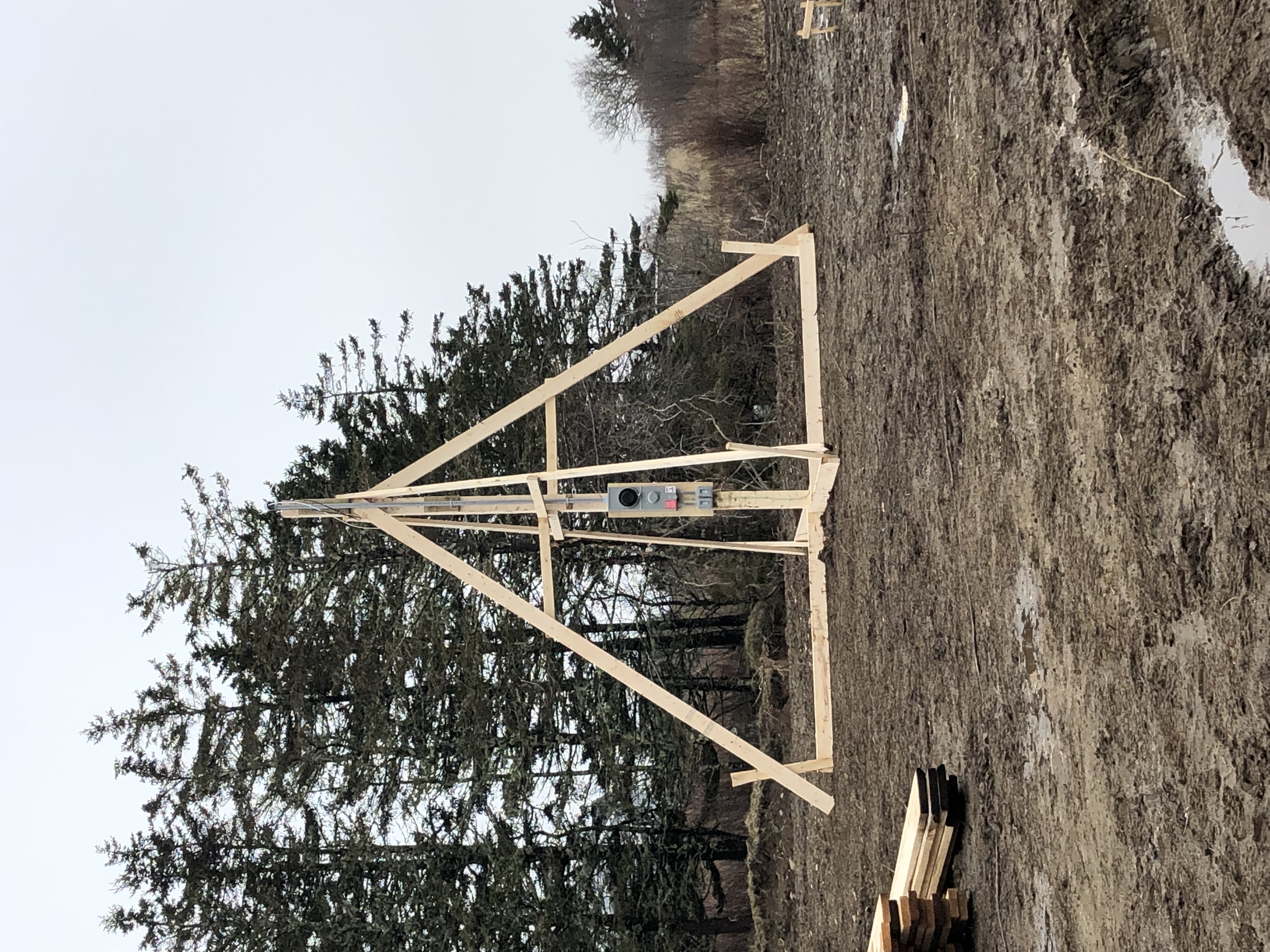
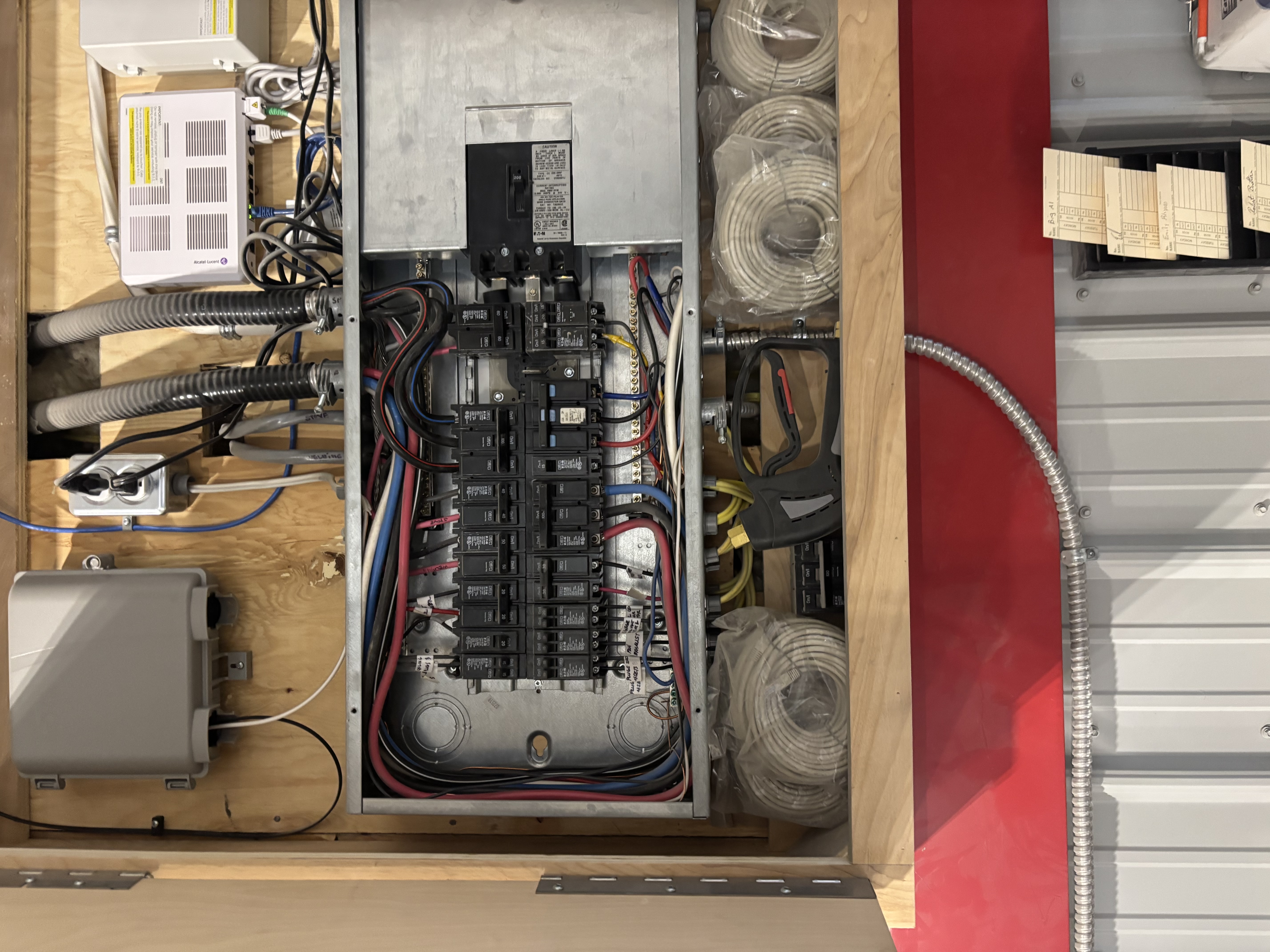
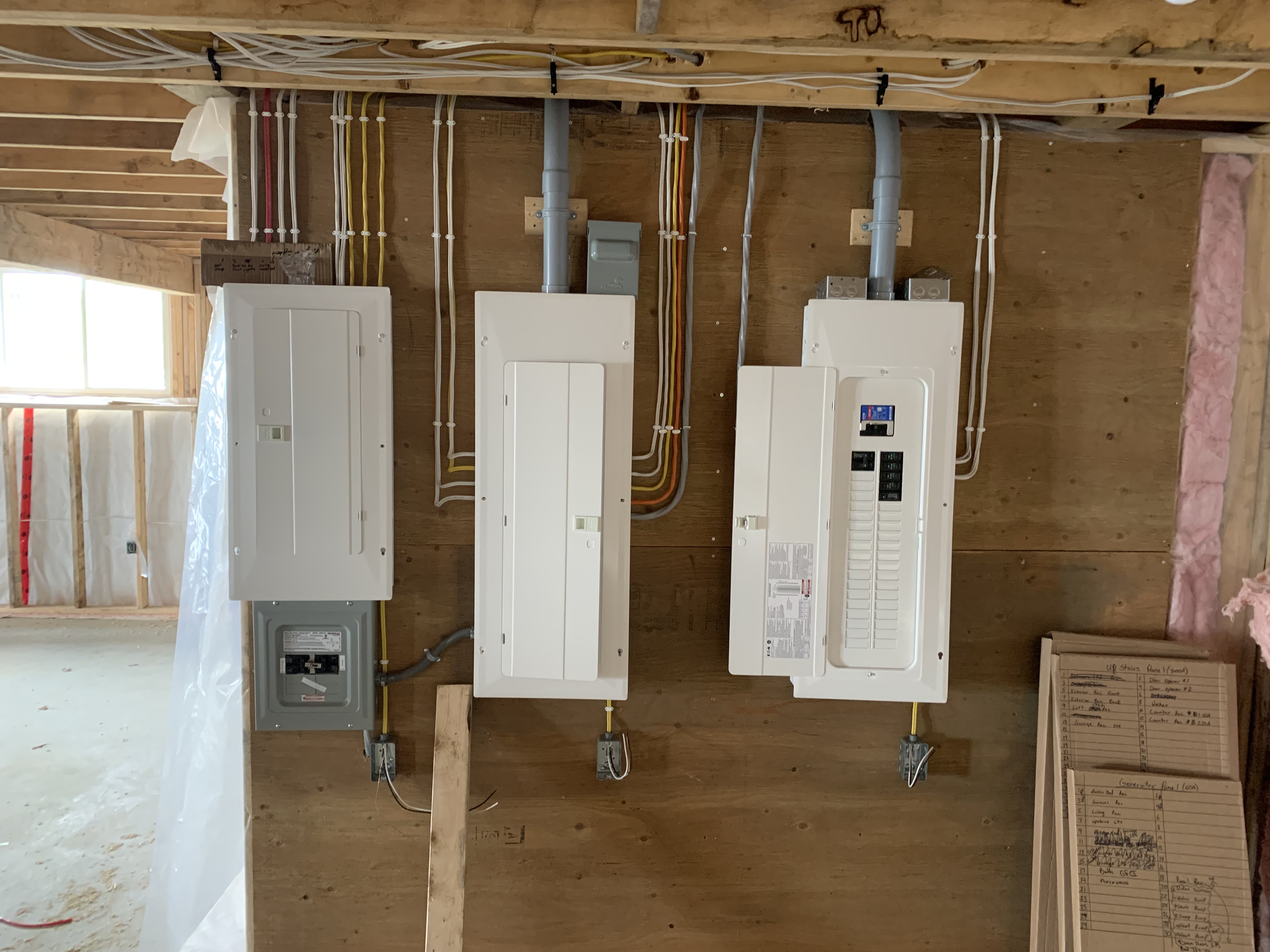
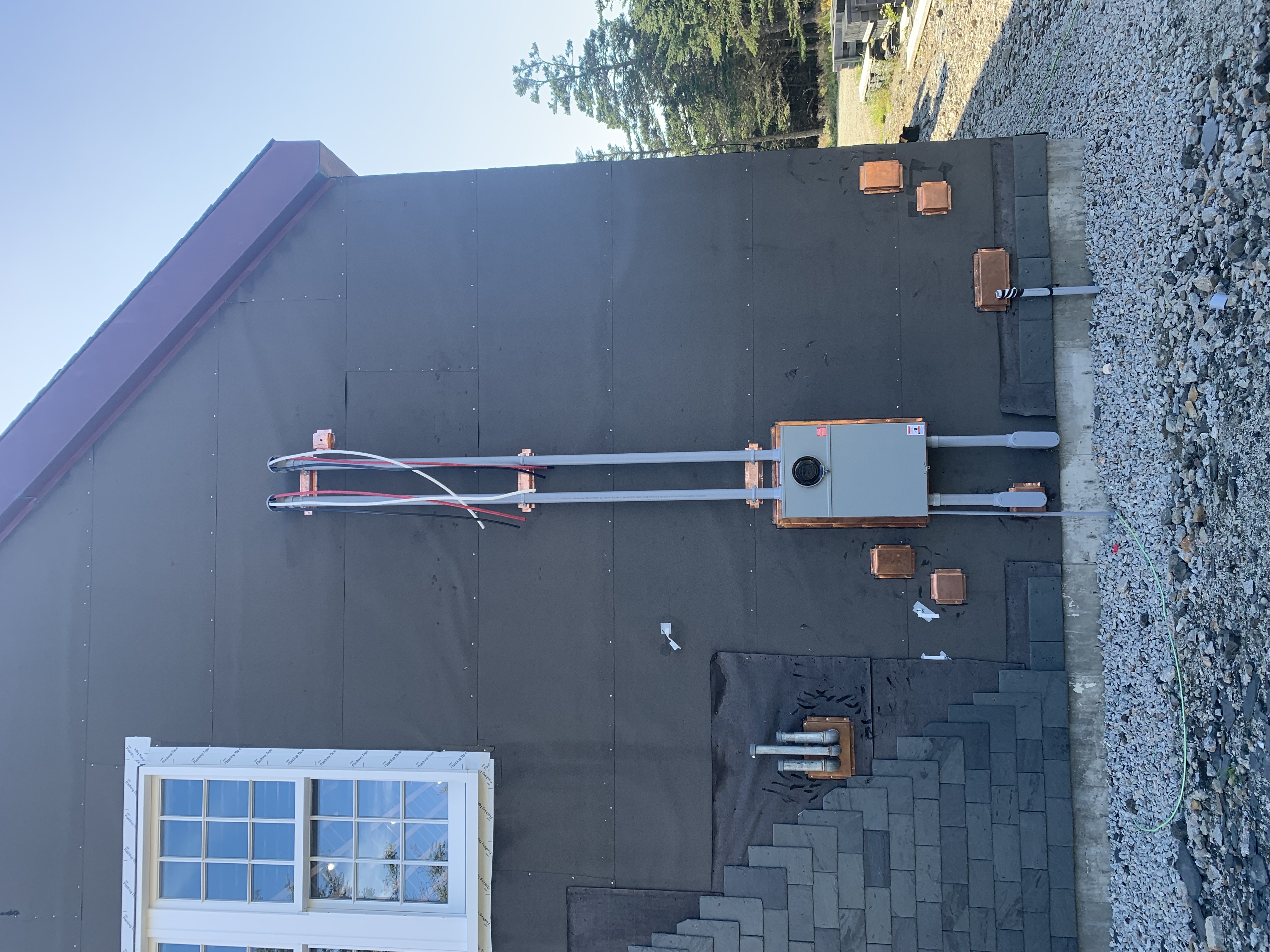
Our work in this area focuses on how power is brought into a building, distributed properly, and applied where it is needed. That includes service equipment, panels, distribution, equipment feeds, and temporary power setups that support active projects before the permanent system is complete.
Whether the job involves expanding capacity, supporting new equipment, or building out temporary power for work already underway, this is the side of electrical work that helps keep a building functional, scalable, and properly set up for what it needs to carry.
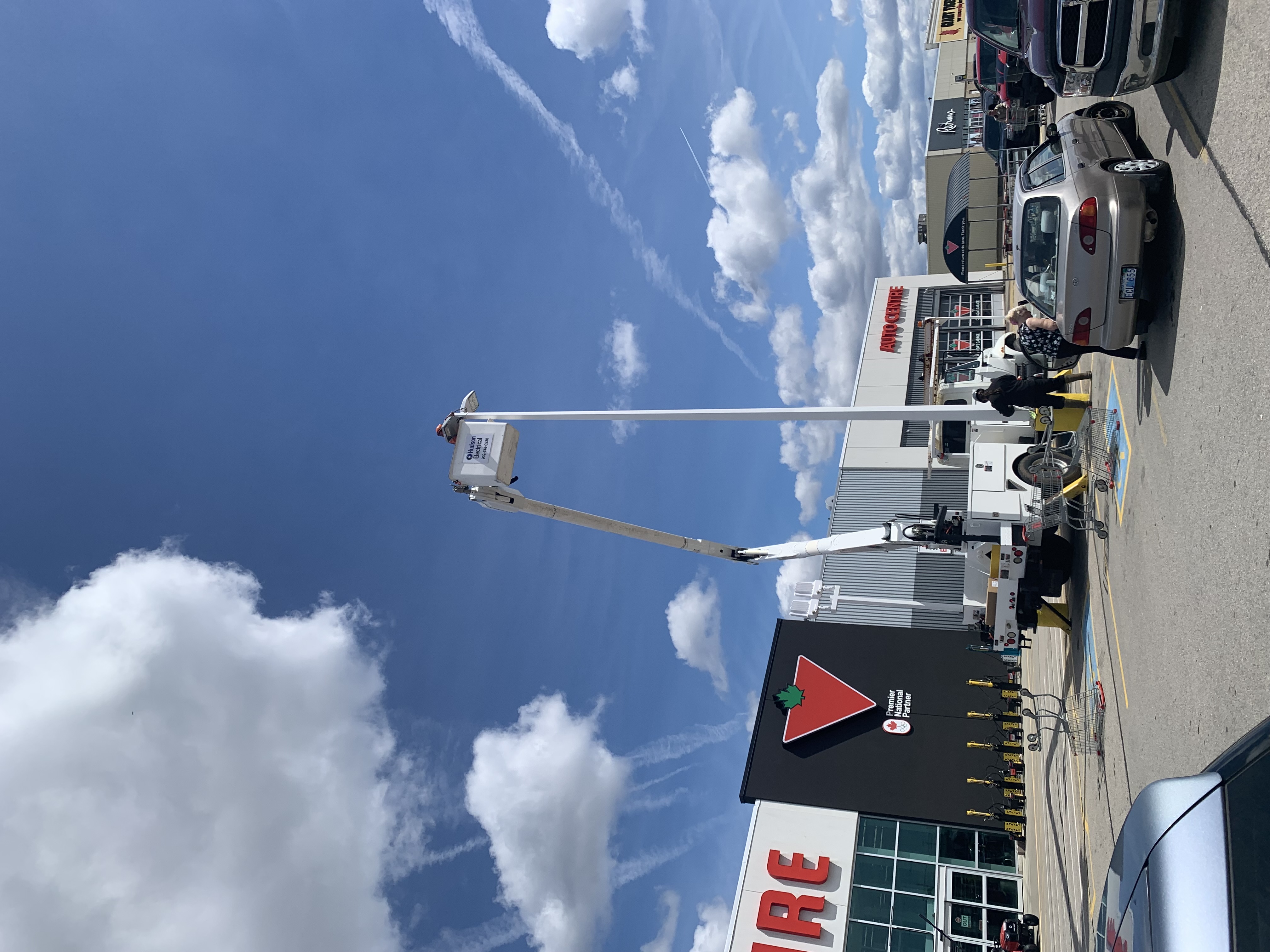
This side of our work focuses on service calls where something needs to be figured out, fixed, or changed. In many cases, that means working with existing systems, identifying the actual problem, and correcting it properly rather than guessing or applying quick fixes.
Some calls involve diagnosing faults or failures, while others involve adding or modifying equipment, circuits, or layouts to support new requirements. This is practical, problem-solving work carried out in real conditions, where understanding what’s already there is just as important as the work being done.
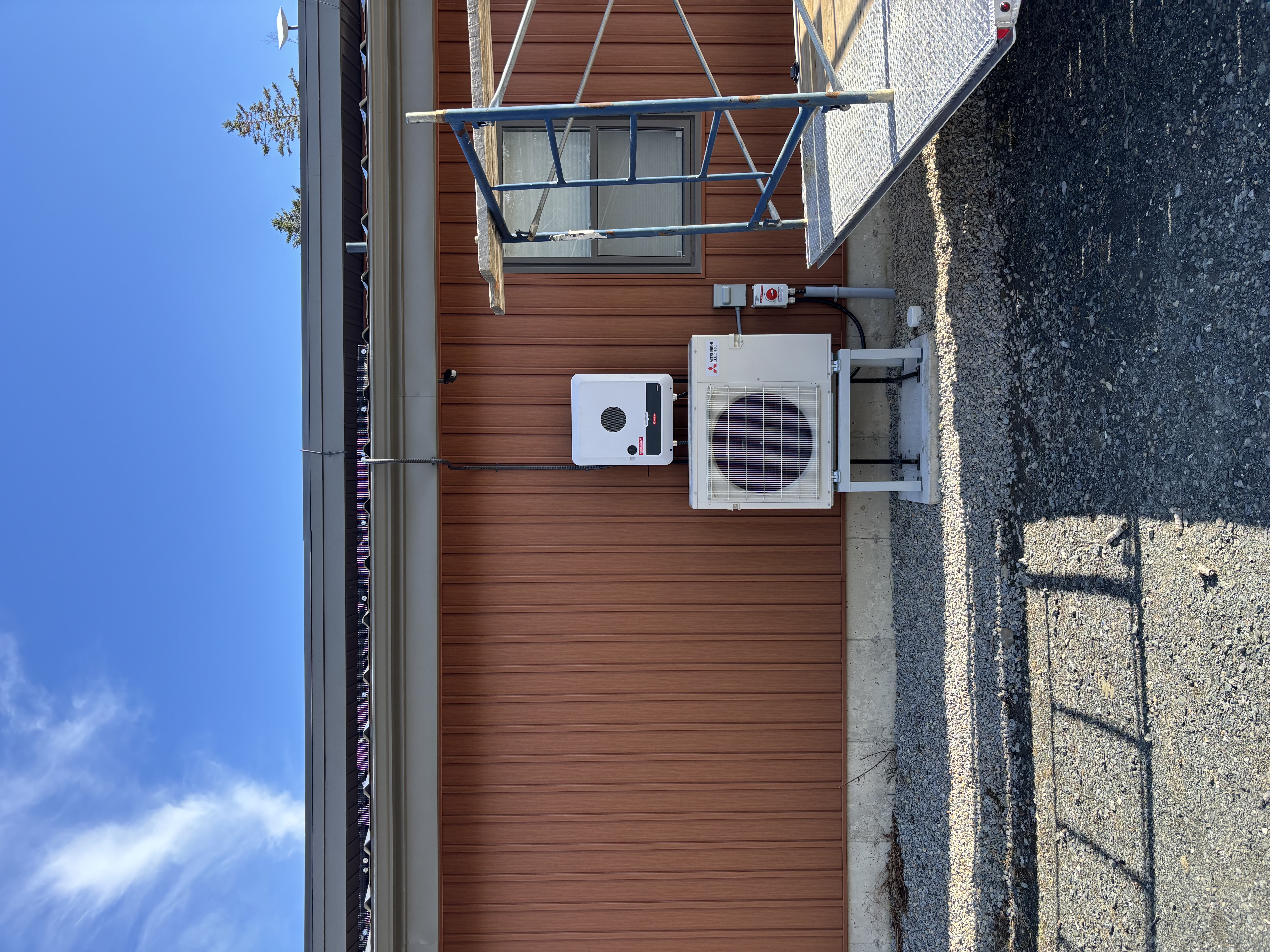
Some projects are not about fixing problems, but about improving how a building operates. This includes energy efficiency upgrades, system improvements, electrical assessments, and preparing existing systems to support newer equipment such as heat pumps and updated mechanical systems.
These upgrades are typically done within existing buildings, where the goal is to improve performance without starting from scratch.
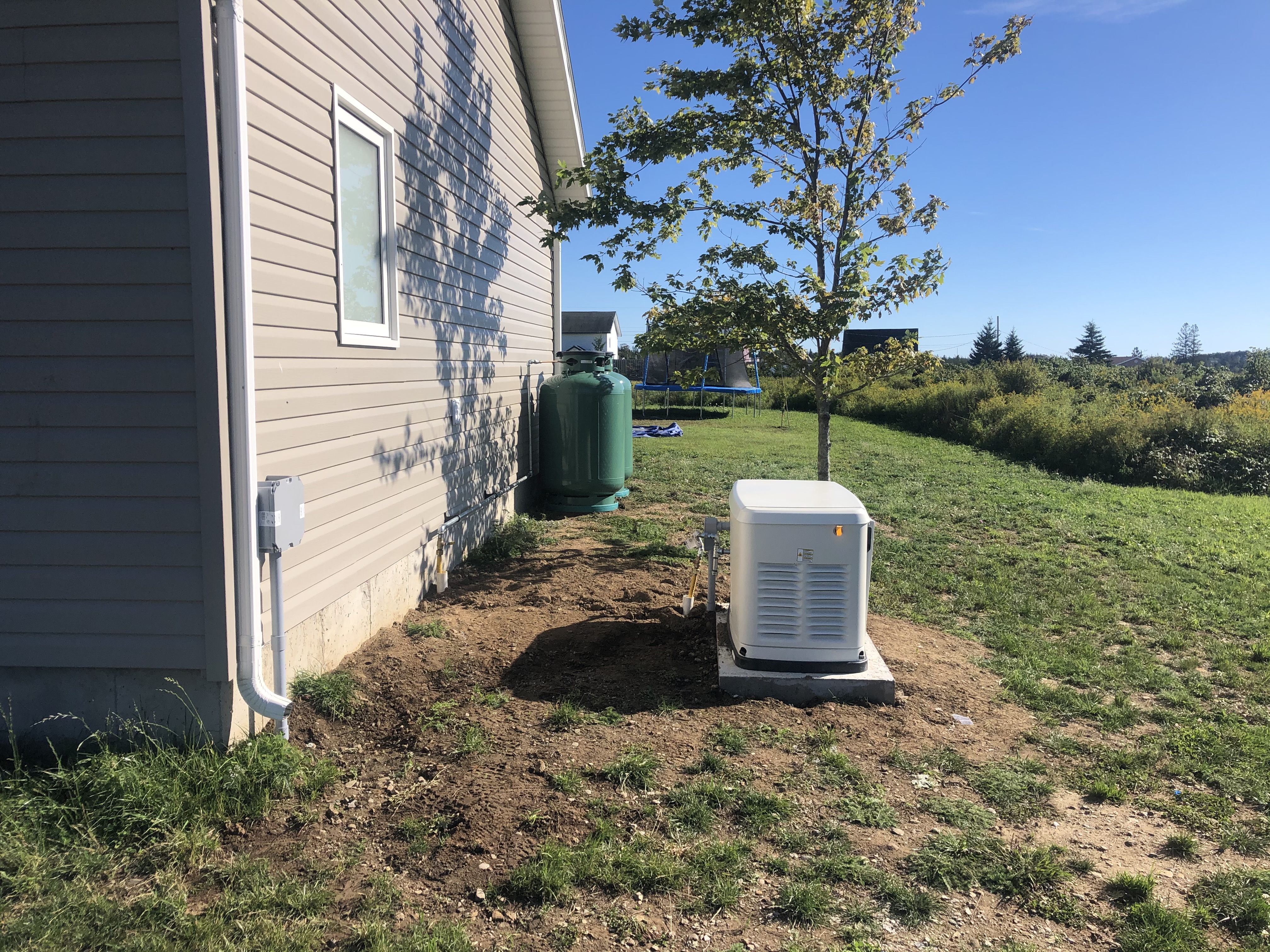
Power is not always as reliable as it should be, and more people are starting to look at ways to reduce that dependency. Whether that means generating power on-site, integrating battery storage, or building toward a more self-sufficient setup, the goal is to have more control over how your system operates day to day.
At the same time, outages still happen, and having a system in place to carry critical loads can make a real difference when they do. From practical generator setups to fully integrated backup systems and fully off-grid setups, the work is approached with a focus on safe operation, proper load handling, and equipment that actually performs when it is needed.
If you’re thinking about adding backup power or moving toward a more independent setup, send a request with a few details and we’ll walk through what makes sense for your situation.
Renovations, upgrades, and custom home work often involve finished spaces, tight access, and decisions that affect how everything looks and functions once the job is complete. Getting that right requires more than just making connections — it takes planning, coordination, and attention to detail from the start.
Planning ahead, taking the time to do it cleanly, and thinking through the layout before anything is installed leads to a better result across the board. The work below reflects the kind of residential electrical projects where that approach matters.
If you’re planning something and want it handled properly from the outset, send a request and we’ll set up a time to review it on site.
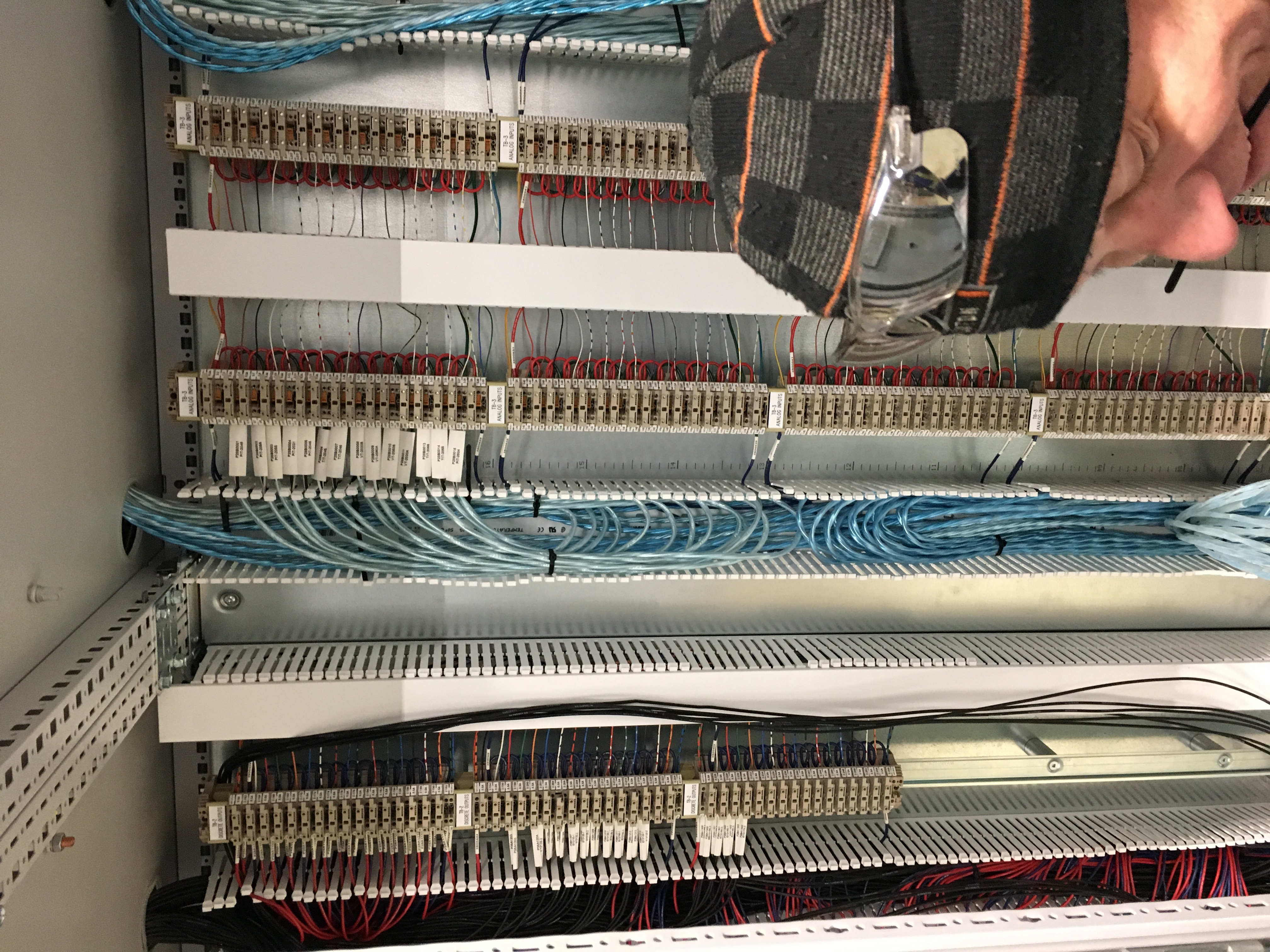
Some electrical work falls outside standard categories but still requires the same level of planning and execution. Low-voltage systems, specialty installs, and supporting electrical work are often tied into larger projects or require coordination with other systems and trades.
Handled properly, these pieces integrate cleanly with the rest of the system and avoid becoming weak points later on. The work below reflects the types of specialty and supporting electrical systems that are commonly included as part of a complete installation.