Municipal lighting, overhead access work, transformer support, substation environments, wind-energy support, and infrastructure projects all require more than general electrical knowledge. They require trained people, the right equipment, controlled execution, and a methodical approach that avoids incidents, avoids rework, and keeps important jobs moving.
These are not simple jobs. Work around overhead systems, public infrastructure, substations, transformers, and higher-voltage environments requires planning, coordination, access control, current inspections, the right PPE, and a crew that understands how to work methodically.
That applies whether the work is a planned upgrade, scheduled maintenance, a retrofit, a bucket truck access job, or support on a larger project under another contractor’s umbrella. The goal is controlled execution from start to finish — no incidents, no avoidable rework, and no surprises for the client.
On infrastructure and high-voltage work, rushing creates problems. The safer and more effective approach is to slow down where needed, identify the hazard, remove it where possible, control what remains, protect the crew properly, and reduce exposure before the job moves ahead.
That is how important work gets completed without shortcuts, without preventable incidents, and without having to come back and fix something that should have been handled correctly the first time. It is also why planning, inspections, record keeping, and field-ready documentation matter just as much as the physical work itself.
The work below reflects the kinds of municipal, utility-adjacent, aerial, and infrastructure support jobs that require controlled execution, proper access, and field-ready capability.
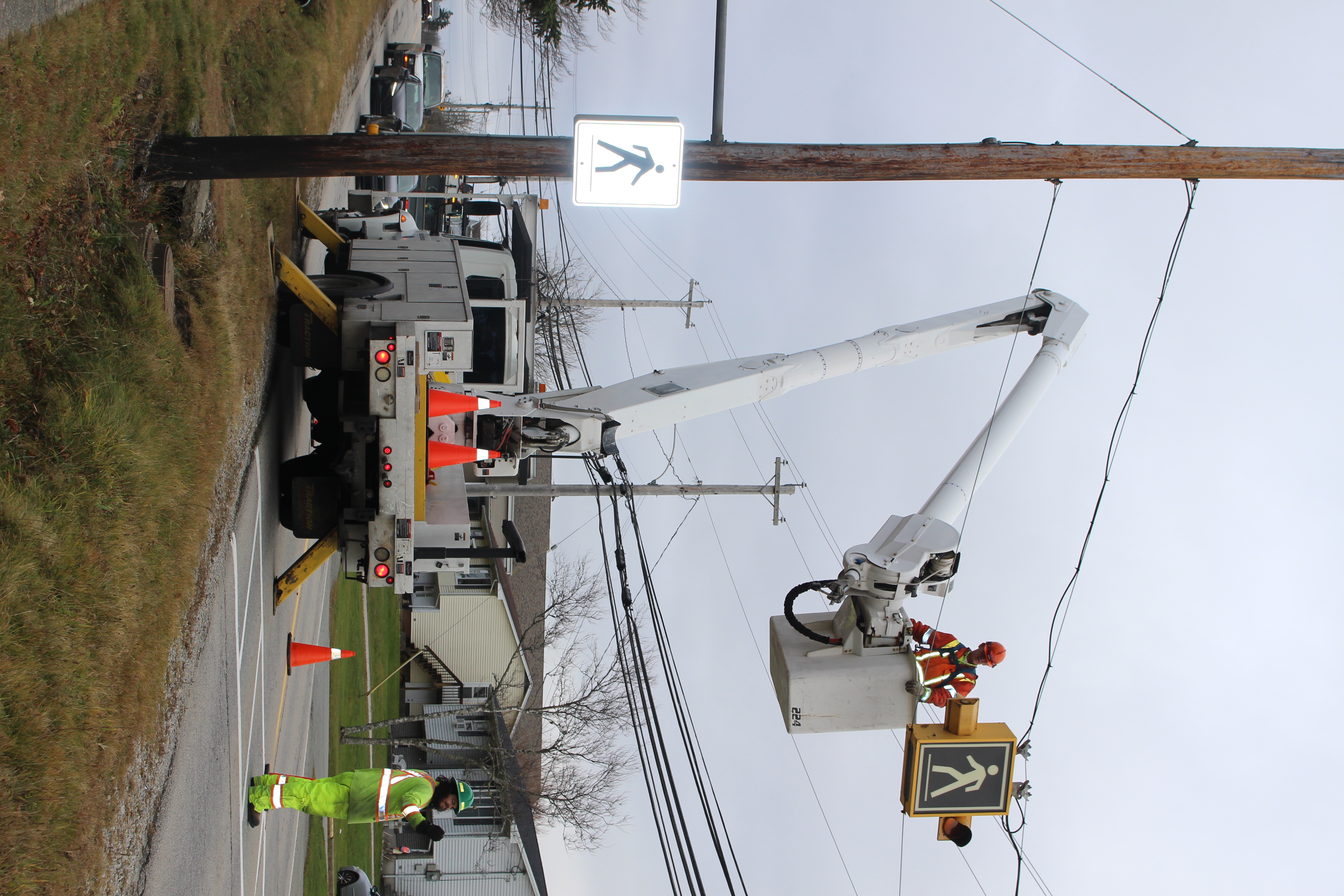
Public infrastructure work where traffic control, site coordination, and safe execution all matter. Jobs like this require planning and controlled field work, not just a quick repair.
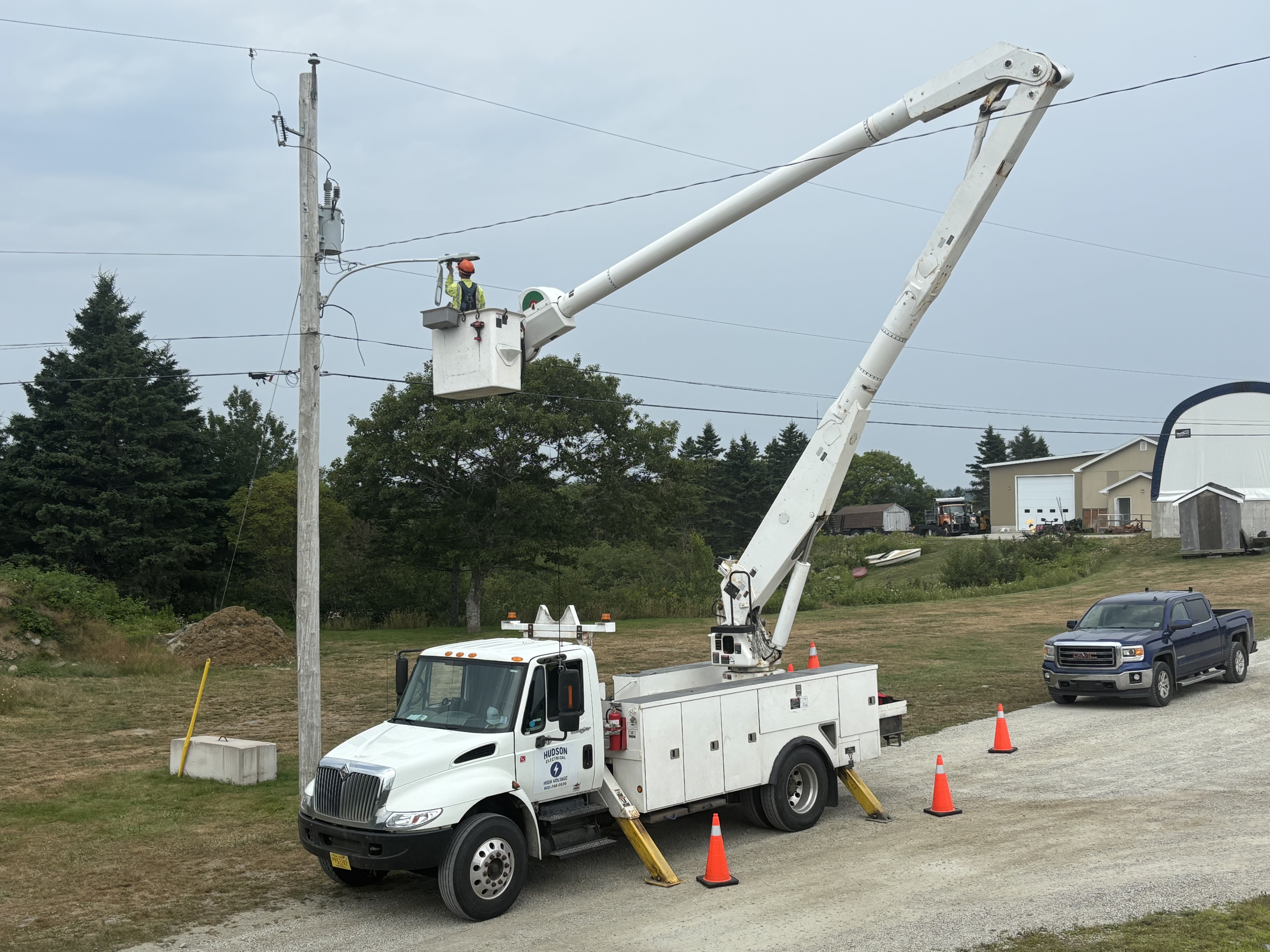
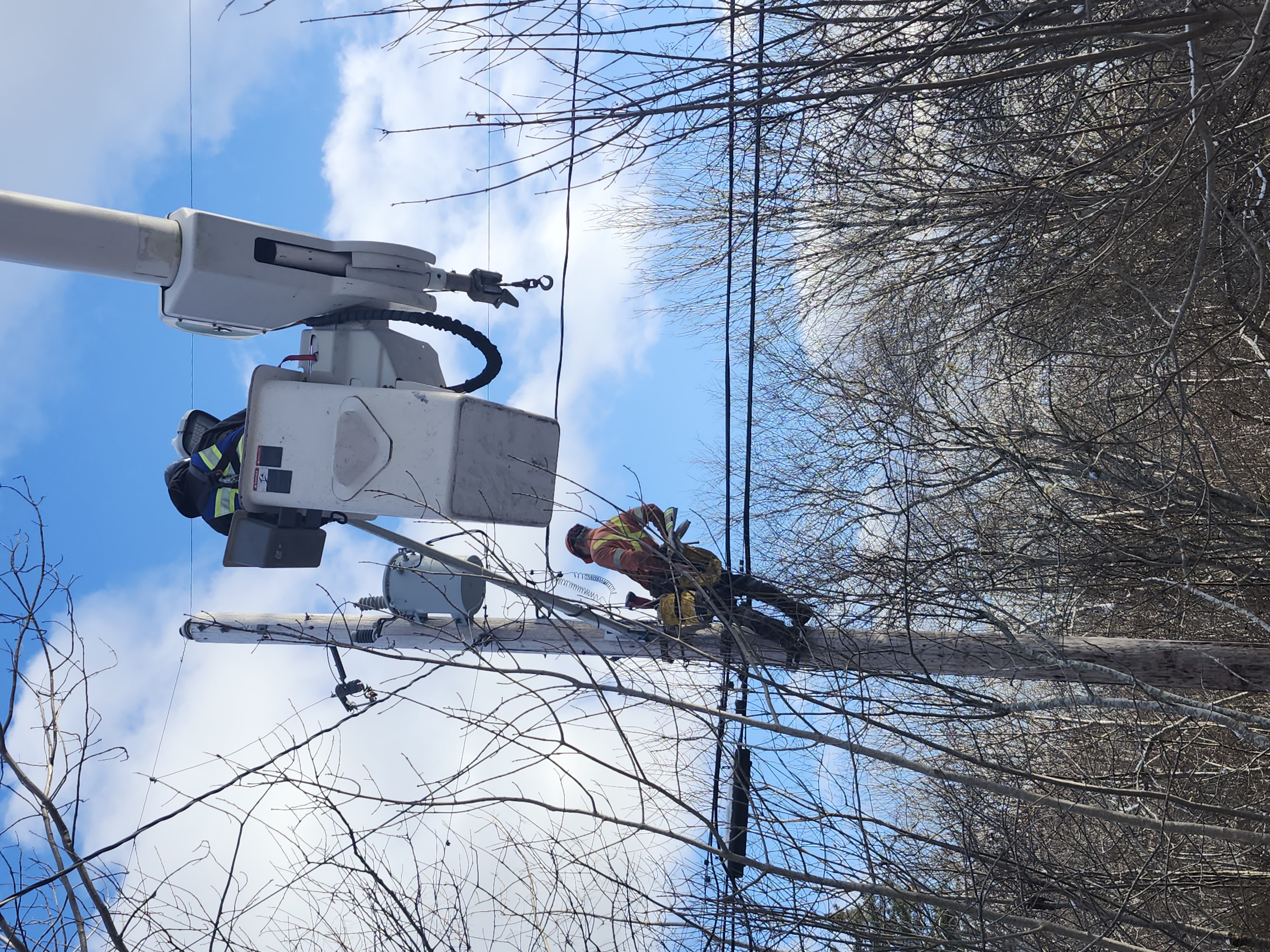
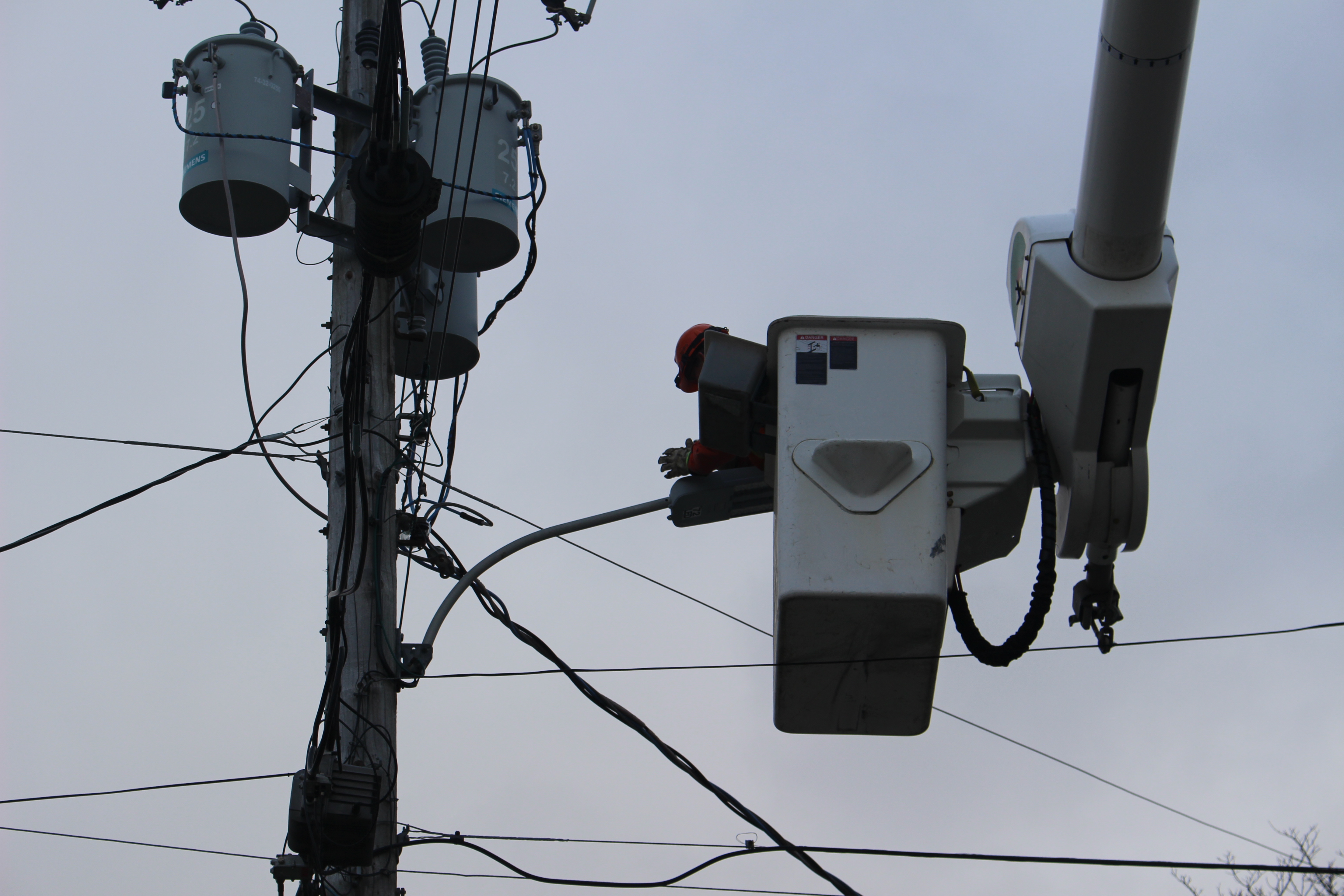
Street lighting repairs, upgrades, and elevated pole work completed with the right access, the right procedures, and the kind of field control that public-facing jobs demand.
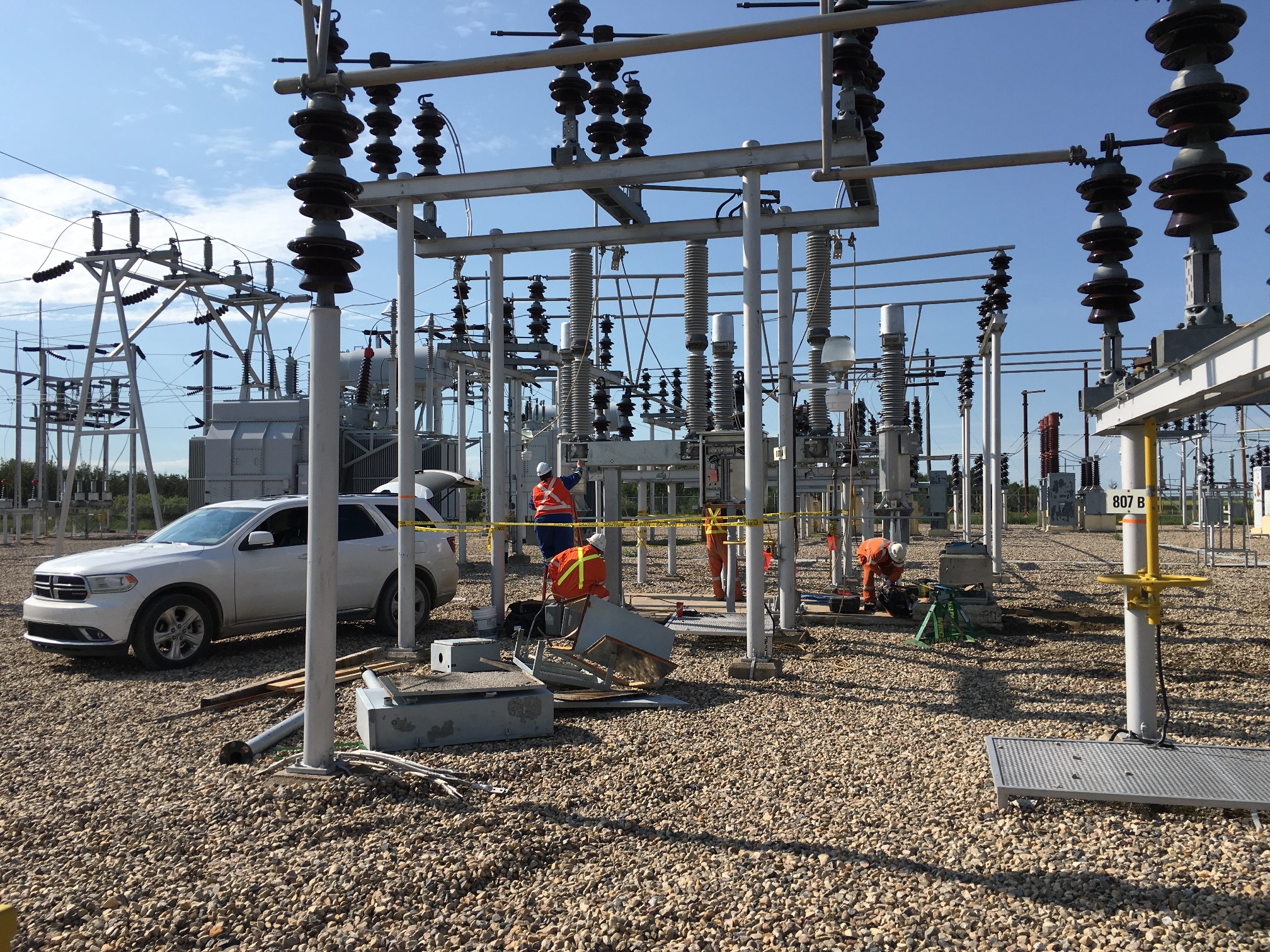
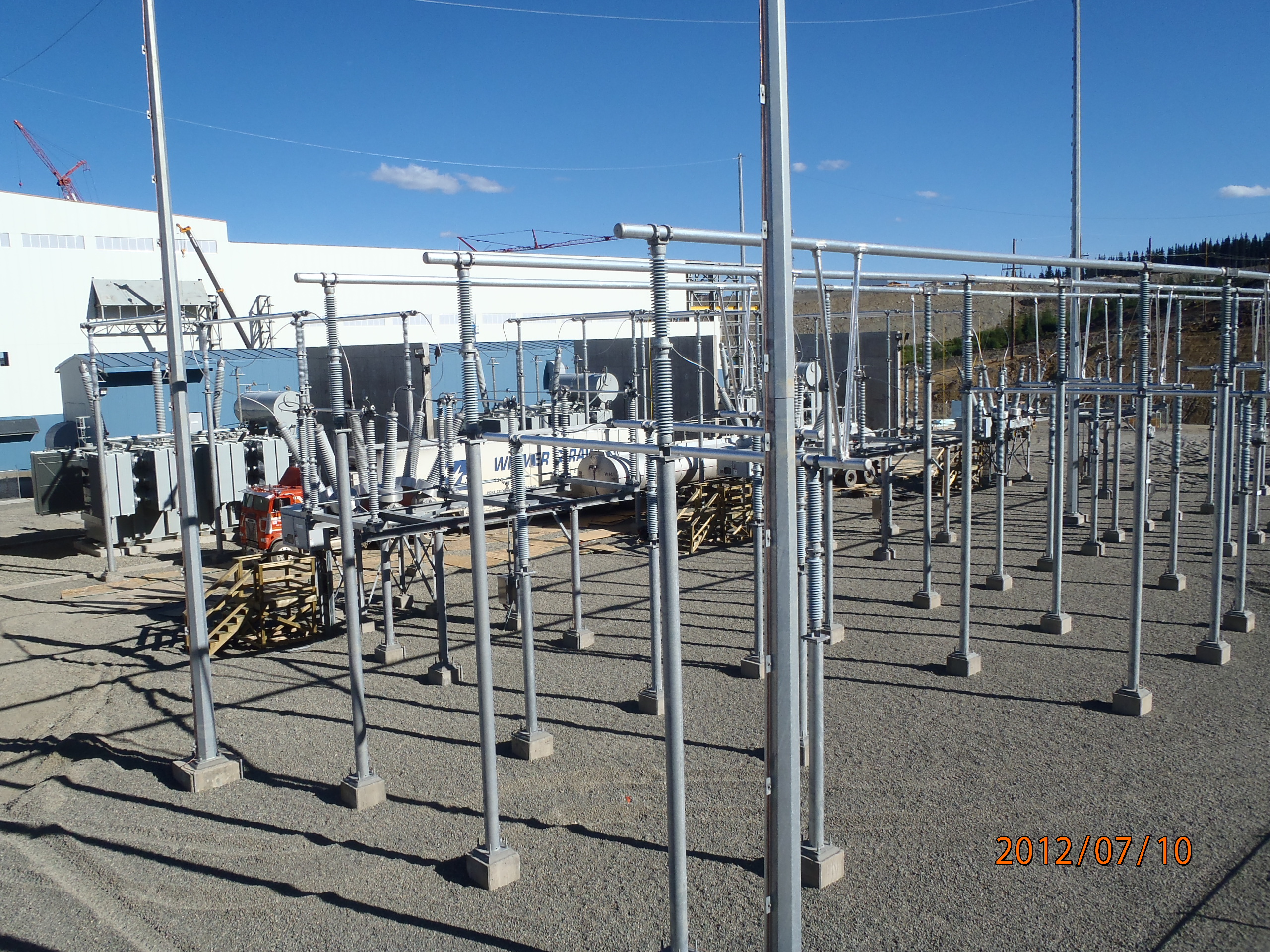
Work in and around substations requires controlled access, strict procedures, and a crew that understands how to operate safely in higher-risk environments.
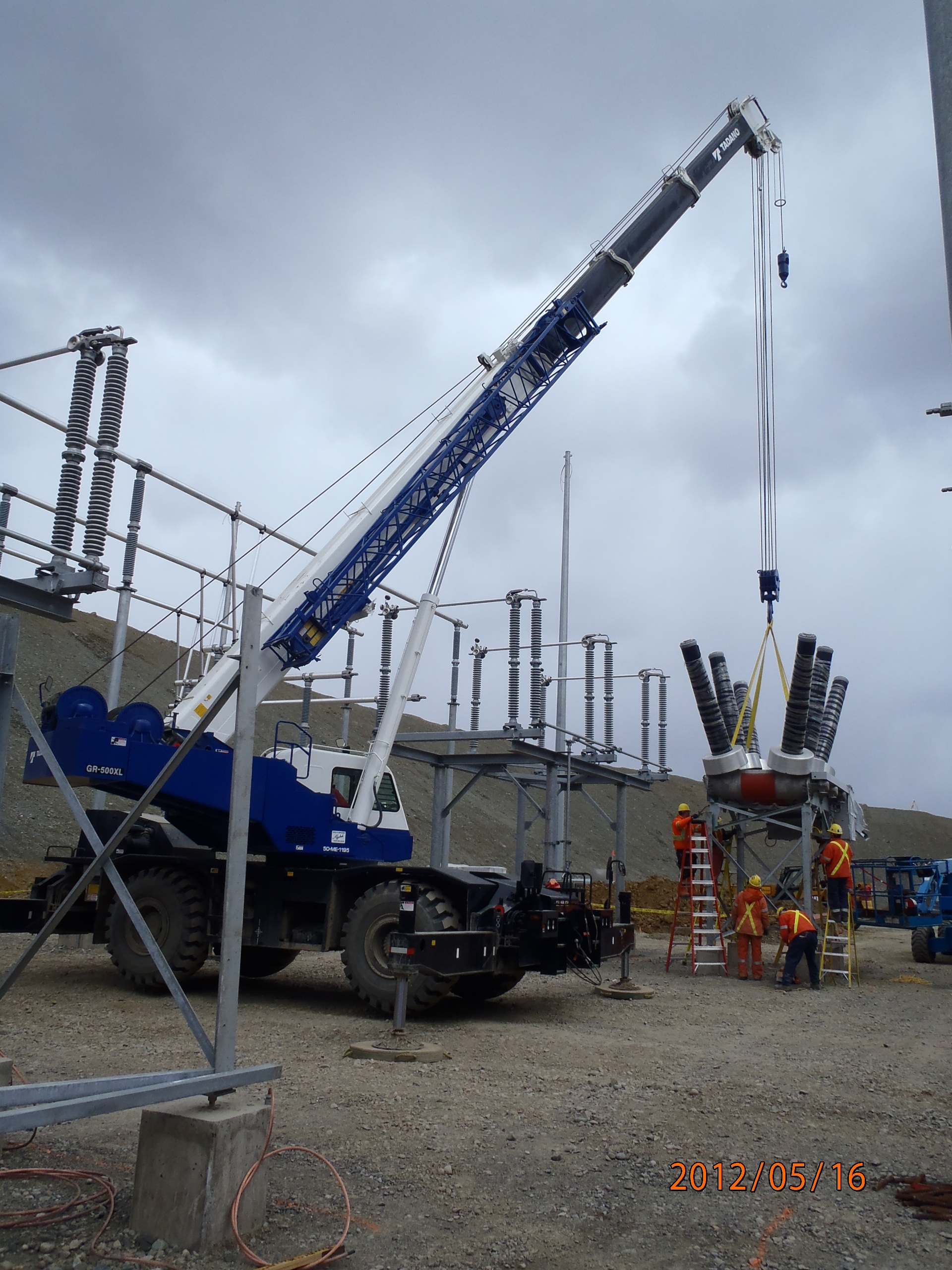
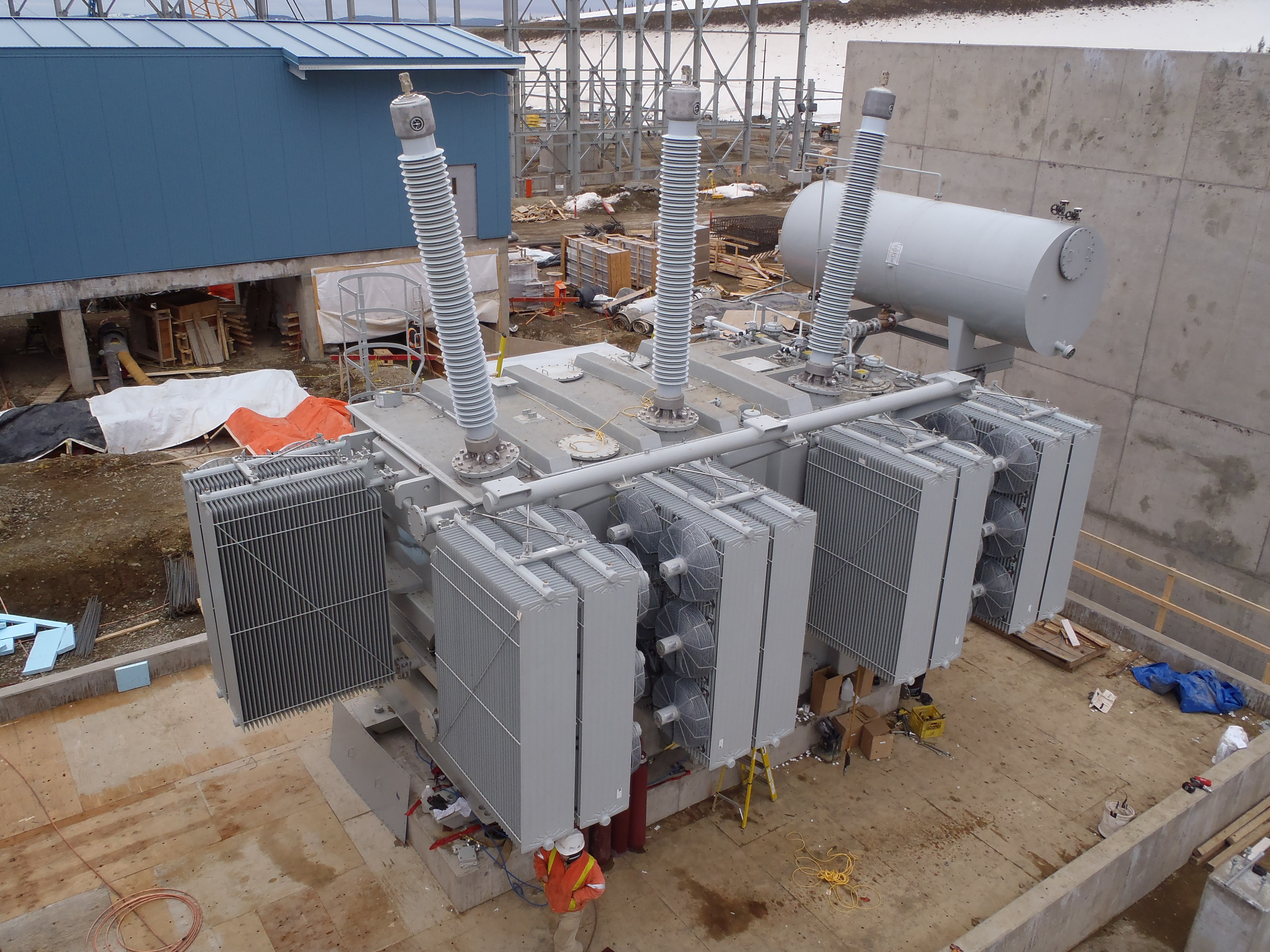
Major components, crane picks, and larger infrastructure work require sequencing, coordination, and a methodical approach so critical steps happen in the right order.
Transformer-related work and larger electrical components require careful handling, planning, and execution where errors are expensive and the margin for mistakes is low.
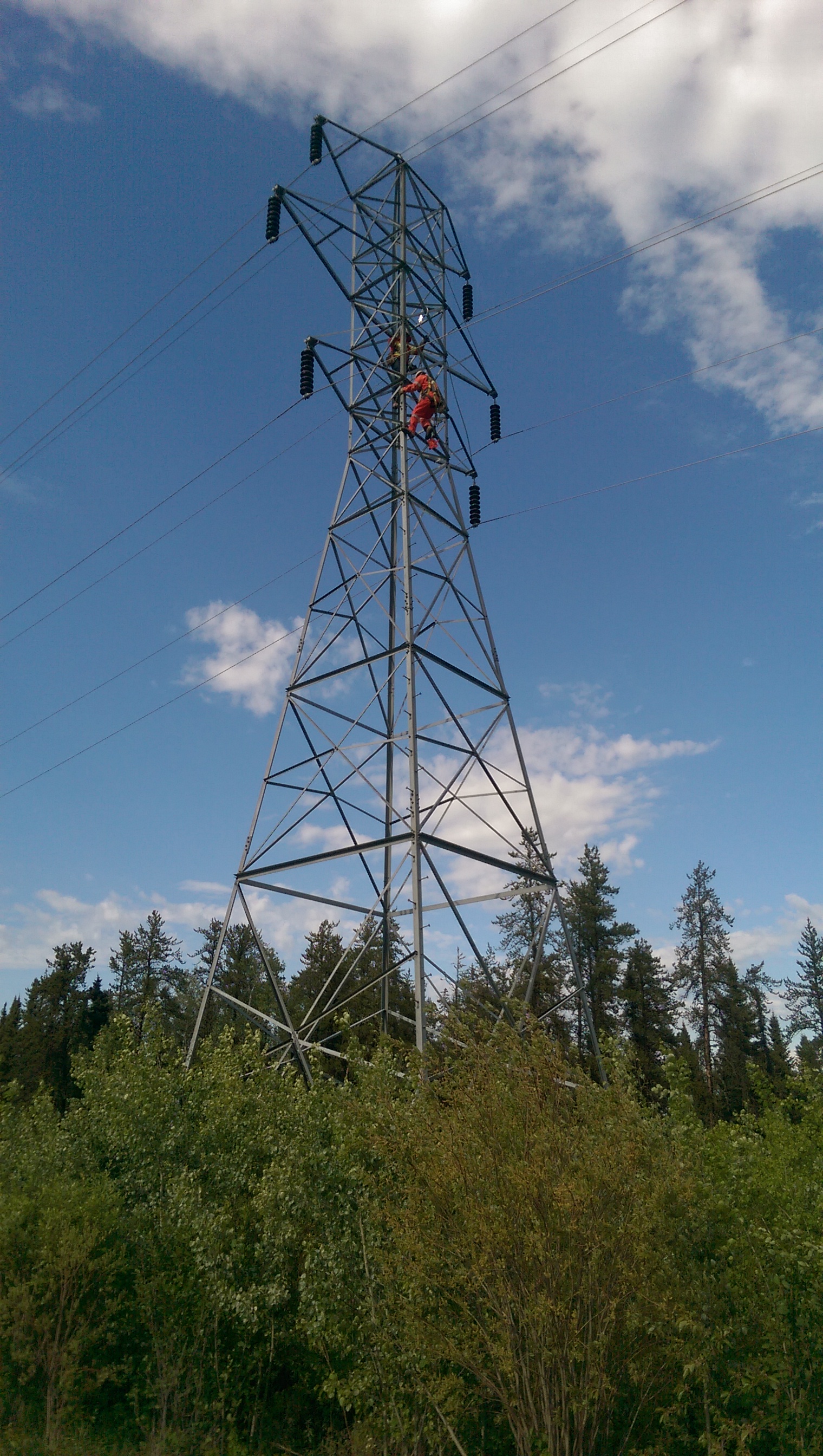
Overhead and elevated work demands training, access planning, and controlled execution. This is where equipment, procedure, and judgement all have to work together.
For larger jobs that need extra capacity, we can support other contractors and crews with additional equipment, people, and field capability so projects stay moving under a collaborative working relationship.
Wind-energy environments bring the same need for planning, access, documentation, and safe execution found in other high-risk infrastructure work, and they fit naturally within this capability set.
Scheduled maintenance, retrofits, and upgrade work where documentation, procedures, timelines, and safe execution matter just as much as the physical install itself.
If you are planning municipal lighting work, overhead access work, substation-adjacent support, a larger infrastructure upgrade, or need additional equipped crew capacity on a project, reach out. We bring the procedures, equipment, and field staff required to get important work done without incidents and without avoidable rework.