Emergency Response for Electrical Failures, Storm Damage & Infrastructure Issues

From local trouble calls in homes, businesses, and facilities to large-scale storm restoration and utility support across North America, emergency work demands more than speed alone. It requires calm decision-making, controlled execution, the right equipment, and people who can step into a chaotic situation, make it safe, and move it forward.
Storm restoration work in progress

Fast Response When Conditions Are Not Ideal

Electrical emergencies do not happen under perfect conditions. Sometimes it is an urgent local trouble call. Sometimes it is damaged public infrastructure. Sometimes it is a large storm event where restoration crews are being mobilized across long distances.

The common thread is that the work still has to be approached step by step, even under pressure. First make the situation safe. Then isolate what has failed. Then stabilize what can be stabilized, work with what is there, and move toward a proper repair. That might mean getting a system safely back on for the night until proper parts are available, or it might mean stepping into a large-scale outage and helping restore critical infrastructure under demanding field conditions.

Emergency Response Focus

  • Storm Damage Restoration
  • Urgent Commercial, Facility & Municipal Outages
  • Traffic Signal & Public Safety Repairs
  • Downed Lines, Hazards & Unsafe Conditions
  • Rapid Local Trouble Calls & Diagnostics
  • Generator Startups & Backup Power Response
  • After-Hours Emergency Calls

Scaled Response Without Losing Control

Some calls are local and immediate. Others involve larger storm deployments, utility support, or extended restoration work far from home. The same approach applies in both cases: reduce chaos, make the site safe, work methodically, and keep the job moving without creating new problems.

For major storm response and utility deployment work, wheels rolling within four hours matters. It tells the client that the truck is moving, the crew is committed, and there is no delay in getting qualified resources on the road.

Deployment Readiness

  • Wheels rolling within four hours for major storm and utility deployments
  • Self-sufficient for up to 72 hours while traveling into disaster areas
  • No need for early babysitting or constant logistics support from the utility
  • Able to handle fuel, food, and overnight requirements during mobilization
  • Ready to integrate into structured restoration efforts once on site
  • Focused on reducing friction for the client while increasing field capacity where it matters

Emergency Response, Restoration & Critical Support Work

The work below reflects the kinds of urgent service calls, storm restoration, municipal repairs, generator response, and large-scale support situations where speed matters — but control still matters more.

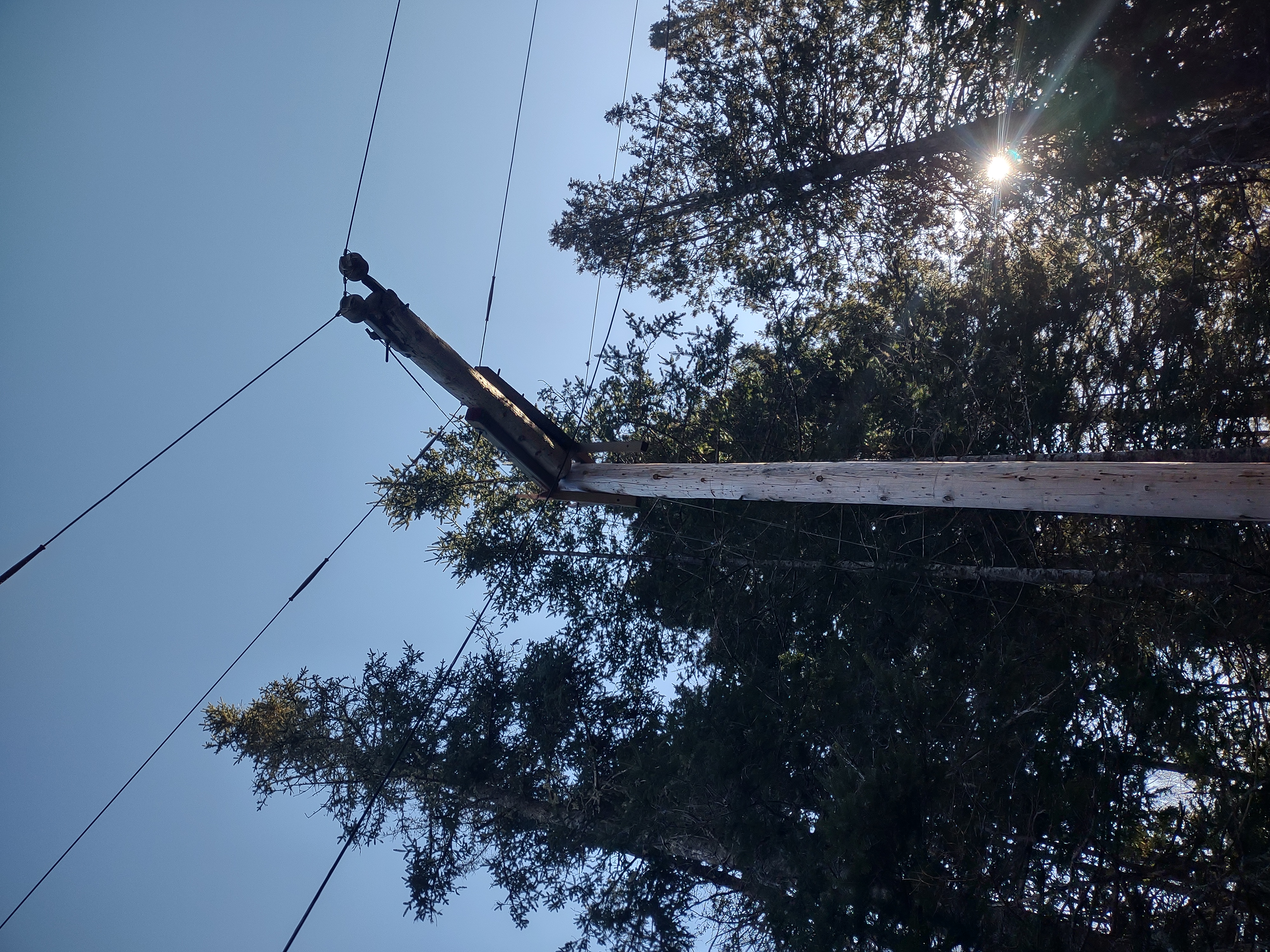
Storm-damaged broken power pole

Storm Damage & Infrastructure Restoration

When storms damage electrical systems and public infrastructure, the job is to step into unstable conditions, work safely under control, and help restore service without adding to the chaos.

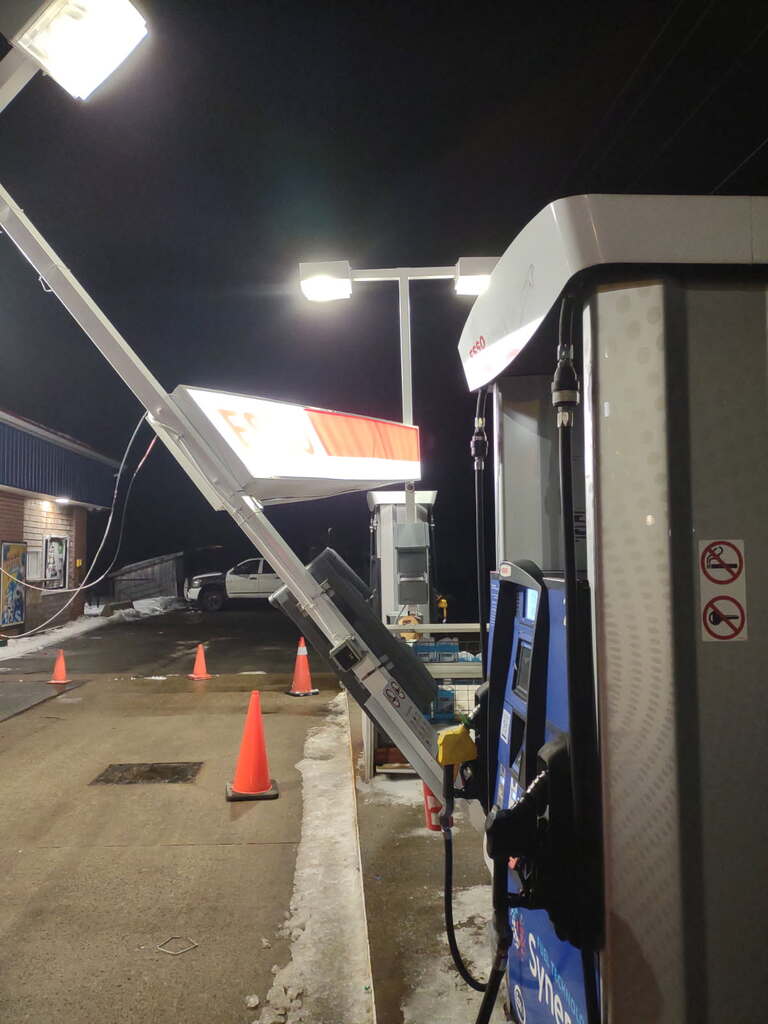
After-hours emergency response to a crash-damaged gas station canopy with unsafe electrical condition

Urgent Electrical Service Calls

Fast-response electrical work for failures, outages, unsafe conditions, and urgent service problems that need immediate attention. This is the lane for situations where the priority is making the issue safe, stabilizing the problem, and getting the client through until the final repair is complete.

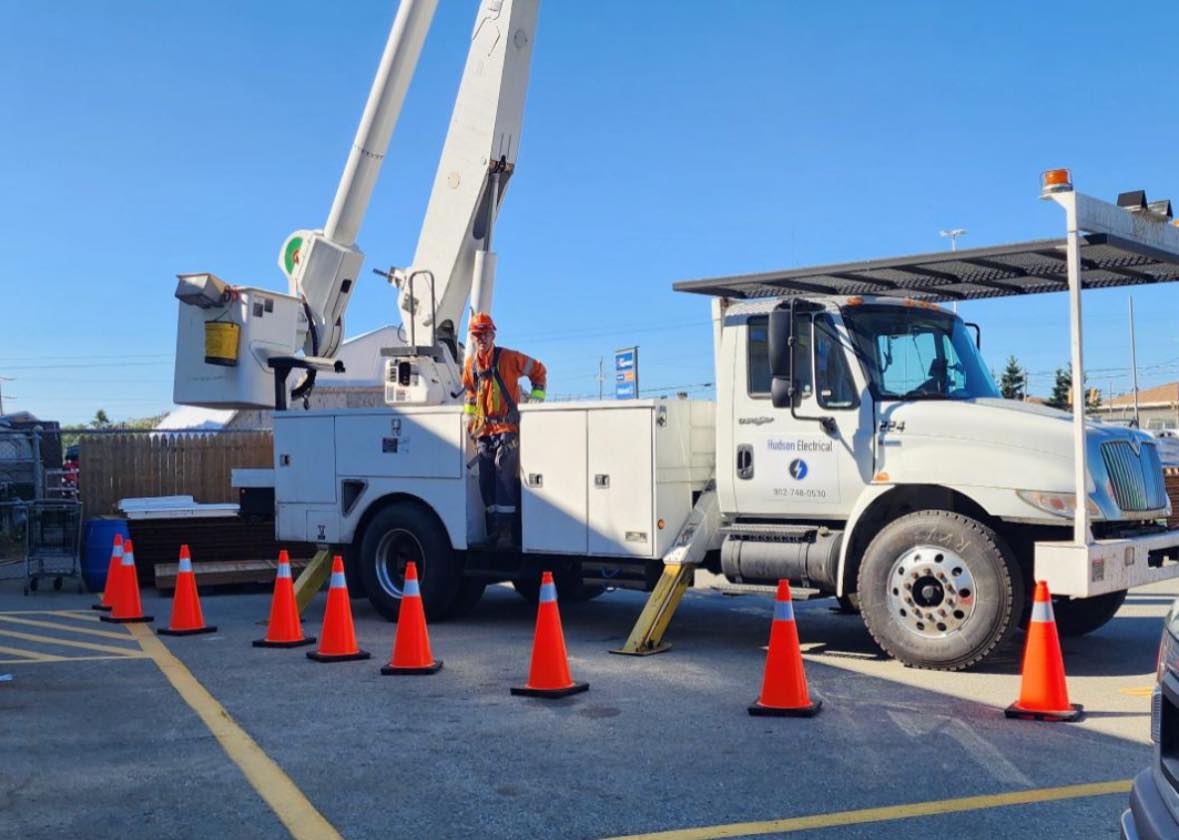
Bucket truck emergency access work

Bucket Truck Emergency Access

Some emergency repairs depend on getting safe access fast. Overhead lines, elevated lighting, and hard-to-reach infrastructure need the right truck, the right setup, and a crew that knows how to operate safely under pressure.

Generator and backup power emergency response

Generator & Backup Power Response

Outages do not always mean waiting for the grid to come back. Sometimes the priority is getting a generator online, restoring essential loads, or keeping a building operational until a permanent repair can be completed.

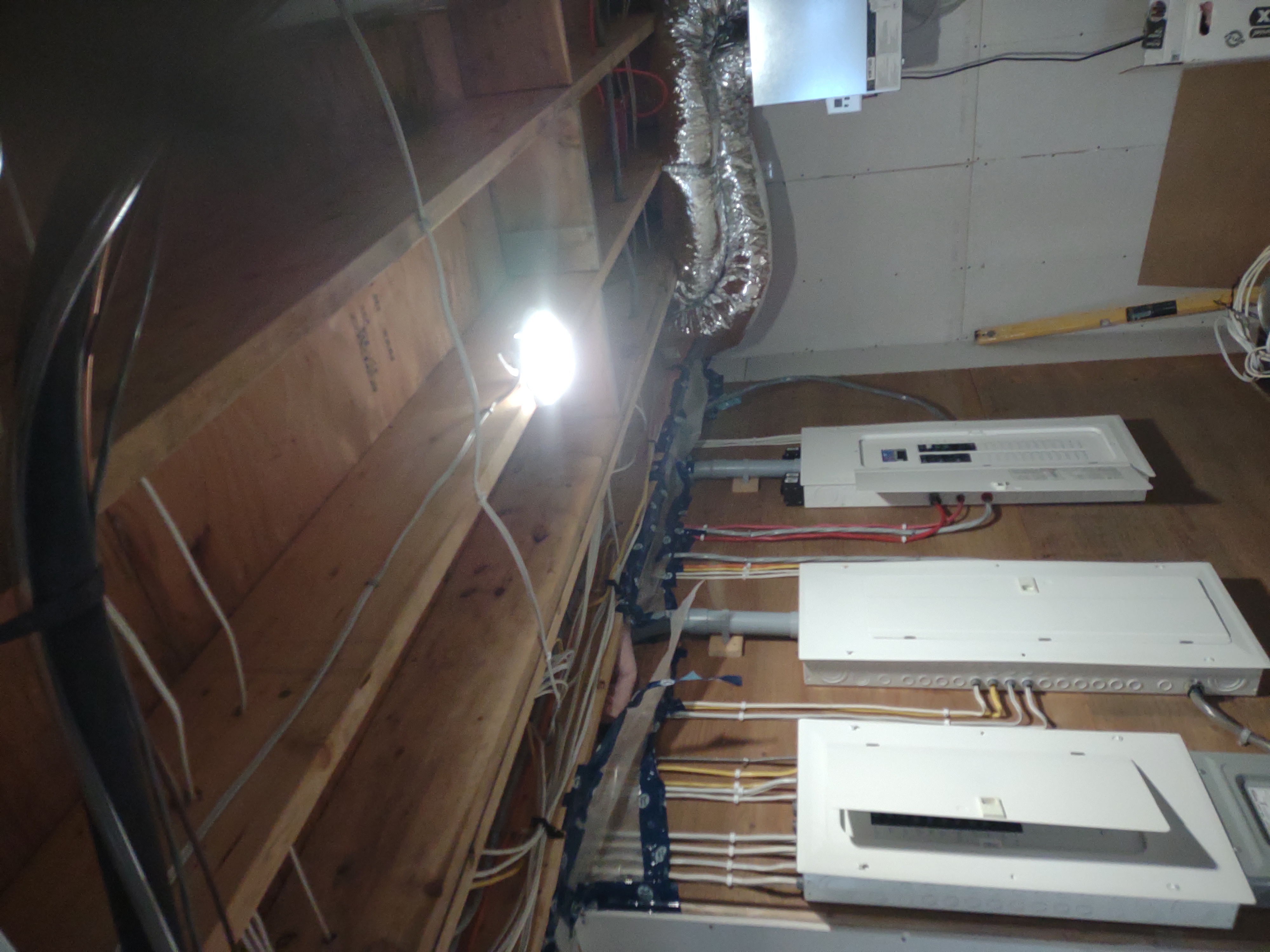
Electrical trouble call response

Rapid Local Trouble Calls & Diagnostics

When part of a home, business, or facility suddenly goes down, the first job is to make it safe, identify the real failure, and get the situation under control. Sometimes that means a proper permanent repair on the spot. Other times it means stabilizing the issue and getting the client safely through until the final repair can be completed.

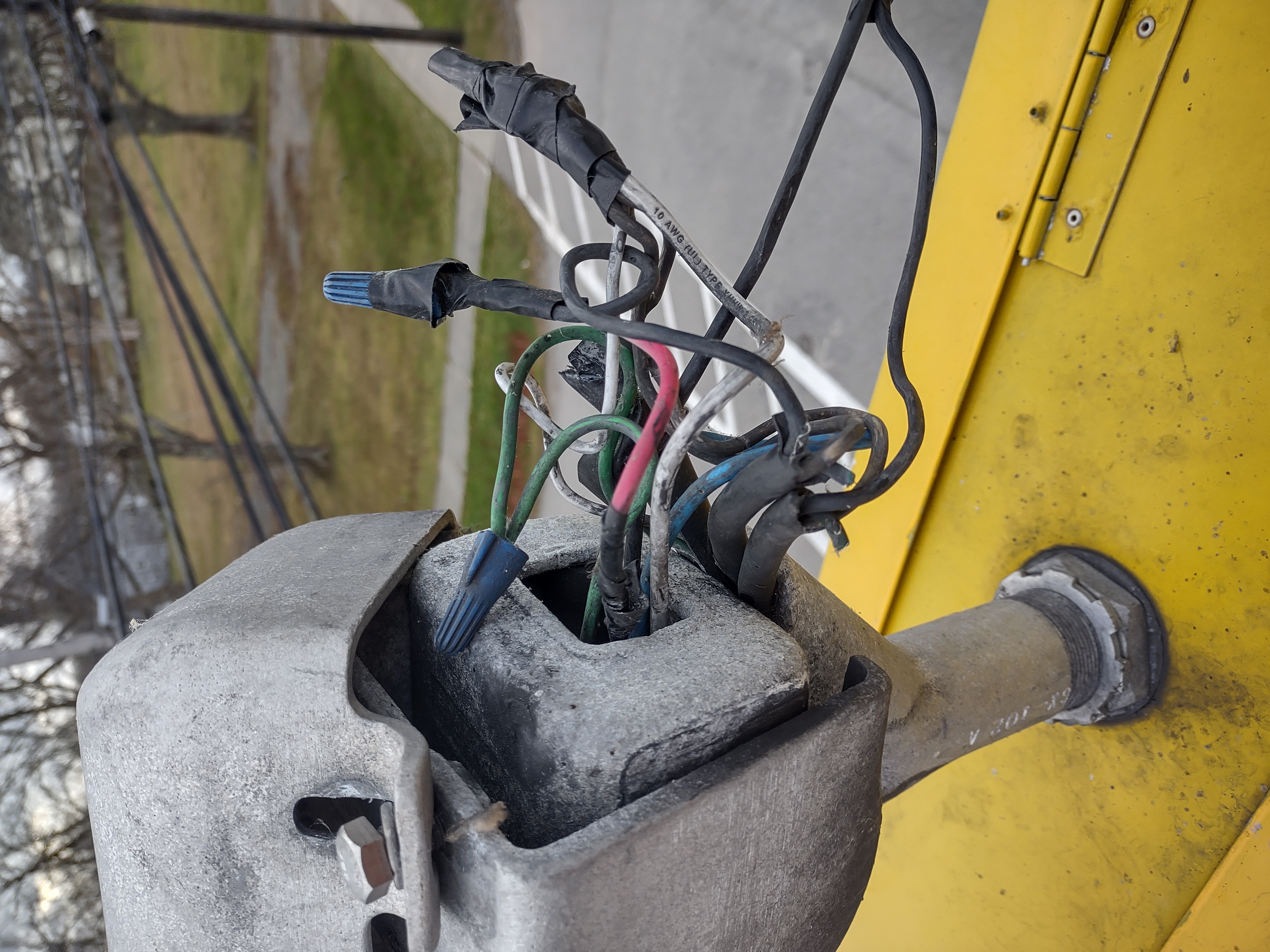
Municipal traffic infrastructure repair

Municipal & Traffic Infrastructure Repair

Damaged signals, poles, and public-facing infrastructure create immediate hazards and public confusion. Emergency response in these situations is about restoring order safely and getting the site back under control.

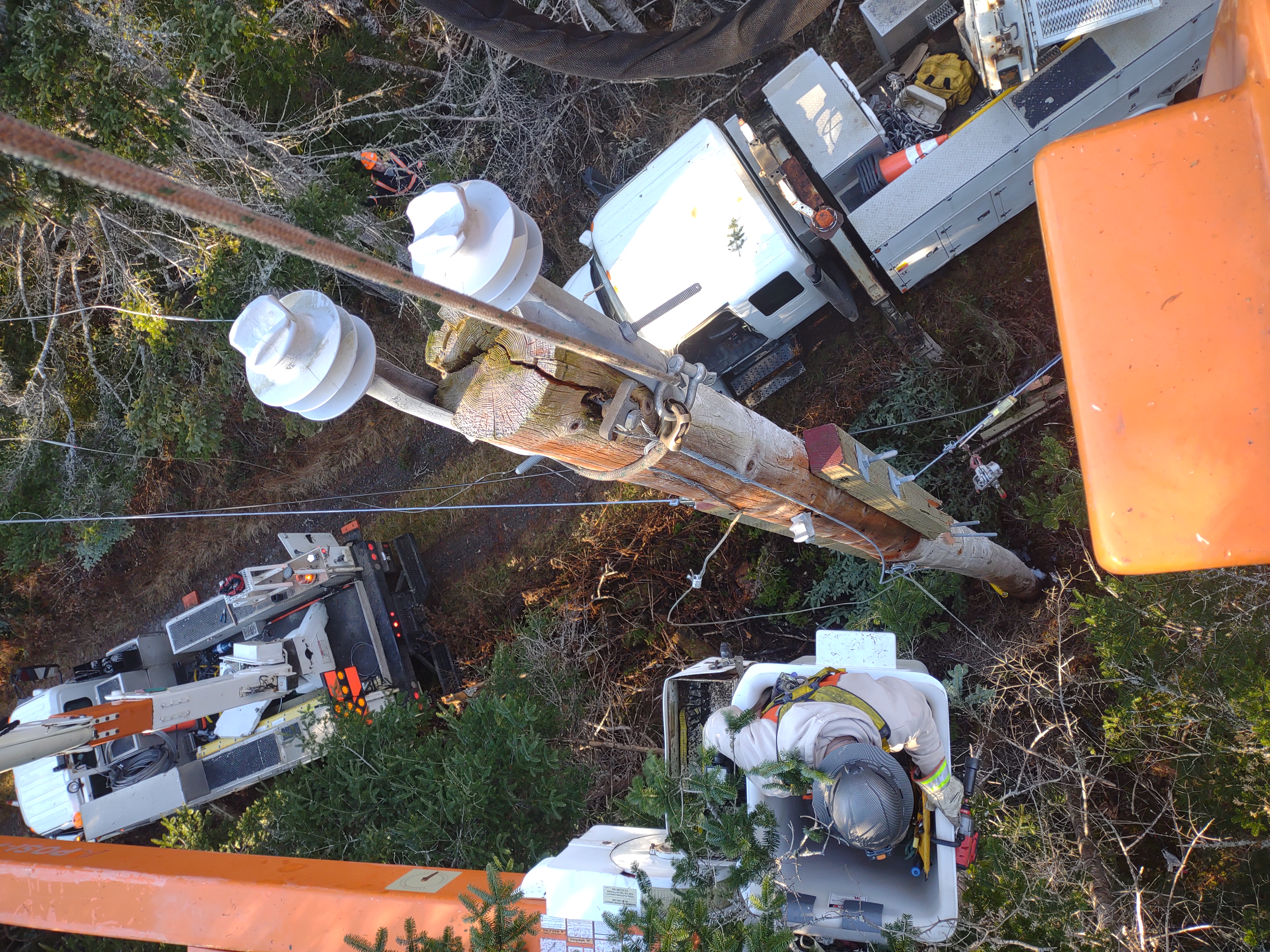
Storm restoration work in progress

Long-Distance Storm Deployment & Utility Support

Major storm work is not just about showing up. It is about being able to mobilize quickly, travel into difficult conditions, operate self-sufficiently on the way in, and arrive ready to work within a structured restoration effort.

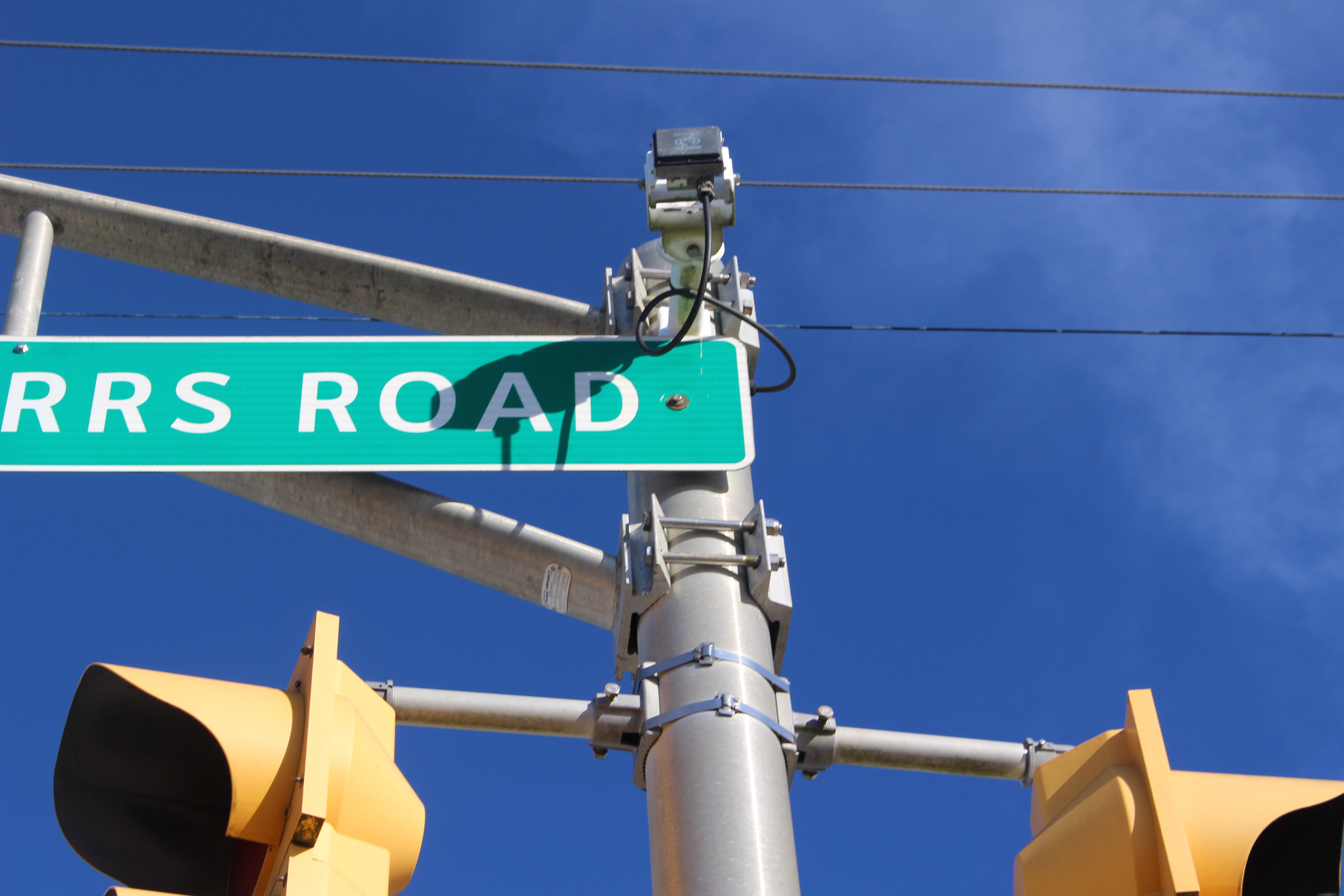
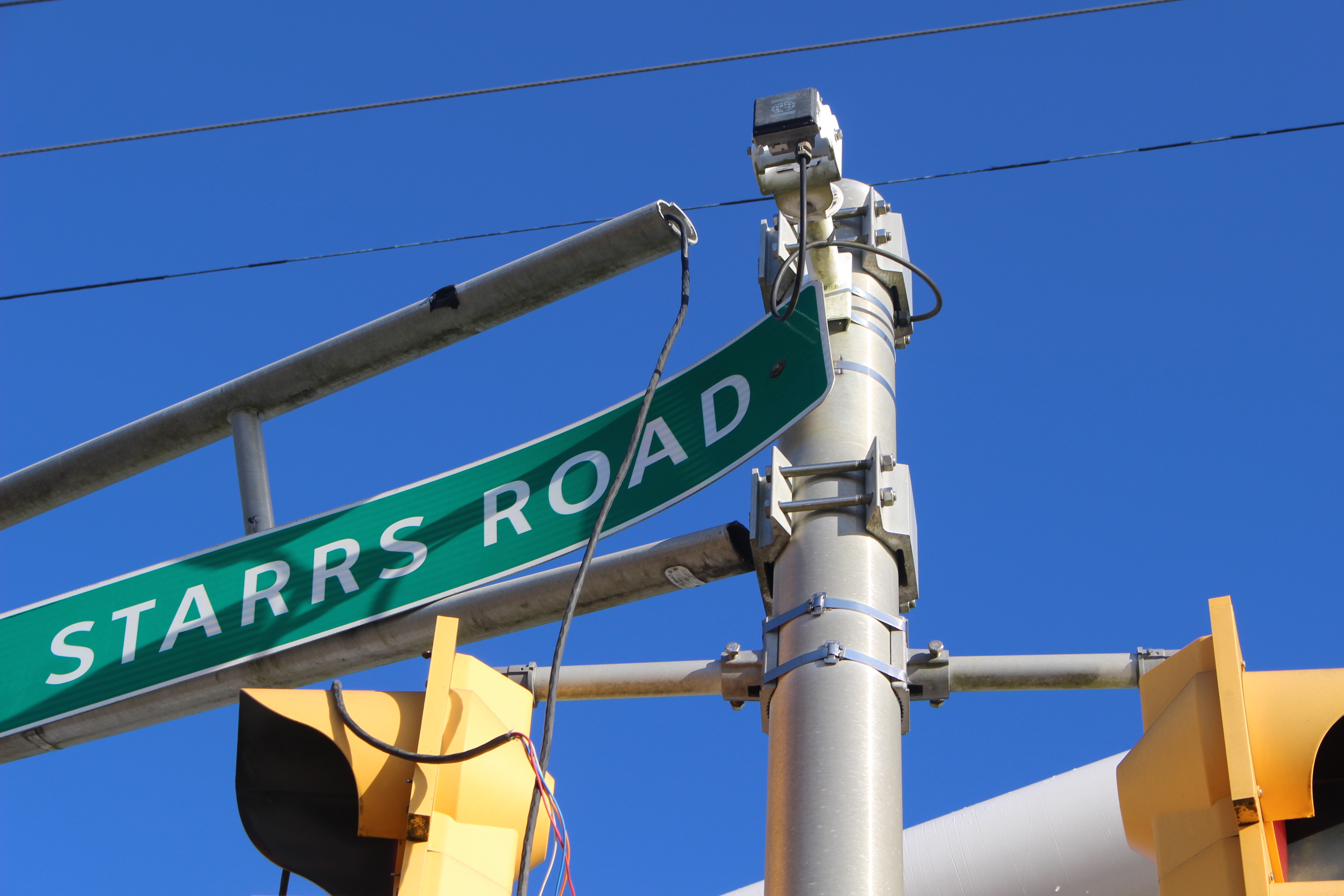
Municipal Repair Example

Severe weather damaged this traffic signal structure, shut down part of the intersection, and created an immediate public hazard. This was not just a broken piece of equipment — it was a live traffic problem that needed to be controlled, made safe, and repaired without cutting corners.

Traffic light damage before repair

Before

The signal arm was damaged, unsafe, and creating traffic confusion. The first priority was to assess the hazard, control the site, and determine what could be stabilized safely.

Traffic light repaired after storm

After

The damaged structure was repaired and returned to safe service with the site back under control. It is a good example of how emergency work often means stepping into a chaotic situation and moving it back toward order, safety, and reliable operation.

Need Emergency Electrical Response?

For immediate local trouble calls, after-hours outages, or urgent electrical issues, call directly for the fastest response. For storm restoration, utility support, or larger emergency deployments, submit the details below so we can assess the situation and move quickly.